Research|Issue 04
Venus Reconsidered: NASA's Return to Earth's Sister Planet
After decades of focus on Mars, NASA is turning its attention back to Venus, launching a new generation of missions to unravel the mysteries of its extreme environment.
- By
- ARTEMIS TOKYO Editors
- Dateline
- WASHINGTON, D.C.
- Date
- October 14, 2026
- Time
- 6 min read
Source
Ars Technica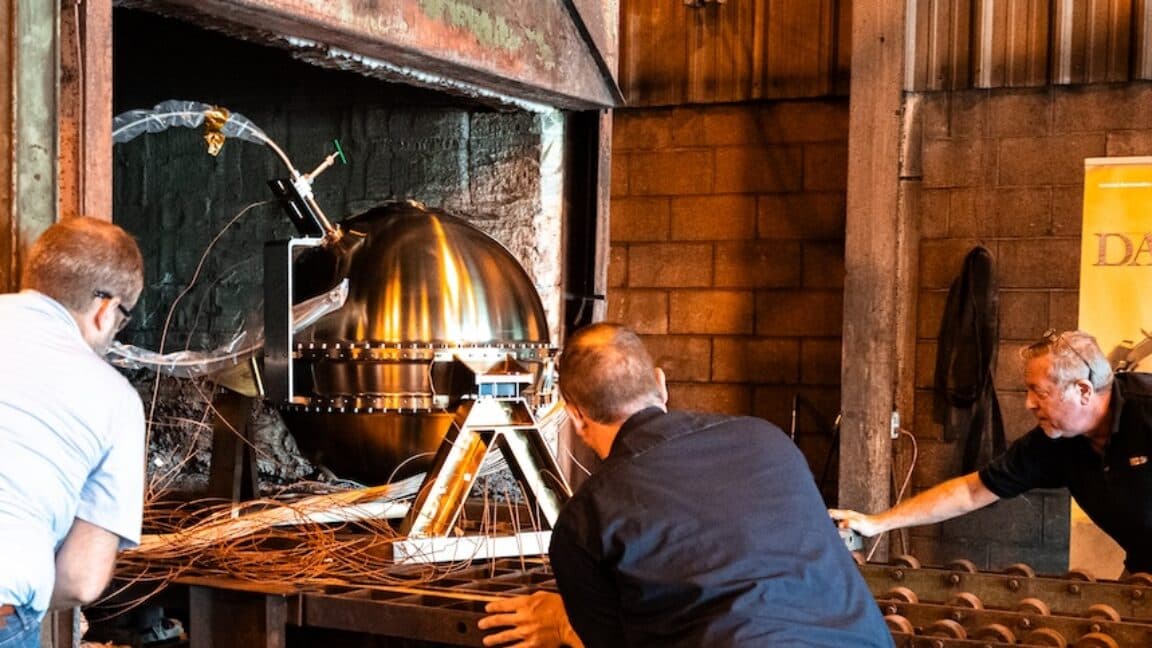
Venus, a world often overshadowed by Mars in the popular imagination, is finally returning to the forefront of planetary science. After decades of relative quiet, NASA is poised to send a new generation of missions to Earth's sister planet, promising to unlock long-held secrets of its extreme environment.
This renewed focus is embodied by two primary missions: DAVINCI+ (Deep Atmosphere Venus Investigation of Noble gases, Chemistry, and Imaging Plus) and VERITAS (Venus Emissivity, Radio Science, InSAR, Topography, and Spectroscopy). Together, they represent a significant commitment to understanding Venus's past and present.
DAVINCI+ will plunge through Venus's thick, corrosive atmosphere, directly sampling its composition. This atmospheric probe will descend for approximately one hour, transmitting data on atmospheric gases and temperatures as it falls. Scientists hope this direct measurement will clarify how Venus, once potentially habitable, evolved into its current state.
Meanwhile, VERITAS will orbit the planet, peering through the perpetual clouds to reveal its geological history. Using a synthetic aperture radar, VERITAS will create high-resolution 3D maps, identifying surface features as small as 10 meters. Understanding past water content and volcanic activity is crucial for refining planetary evolution models.
"Things are finally looking up for NASA's first missions to Venus in a generation," the original report noted, highlighting a renewed scientific focus.
DAVINCI+ is slated for launch around 2029, with VERITAS following in the early 2030s. These missions mark NASA's first dedicated Venus probes since the Magellan spacecraft in the early 1990s, a gap of over thirty years in direct exploration.
While Venus itself remains inhospitable for direct human settlement, the scientific insights gained are invaluable for broader space exploration. Understanding extreme planetary environments informs the design of resilient off-world habitats and life support systems, even for more benign destinations like Mars. The challenges of Venus push the boundaries of materials science and robotic autonomy, lessons that will echo across future human endeavors beyond Earth. The very act of designing instruments to survive such pressures and temperatures refines our approach to engineering for any non-terrestrial environment, shaping the materials and methods that will define future off-world construction.
Related Reading
Research
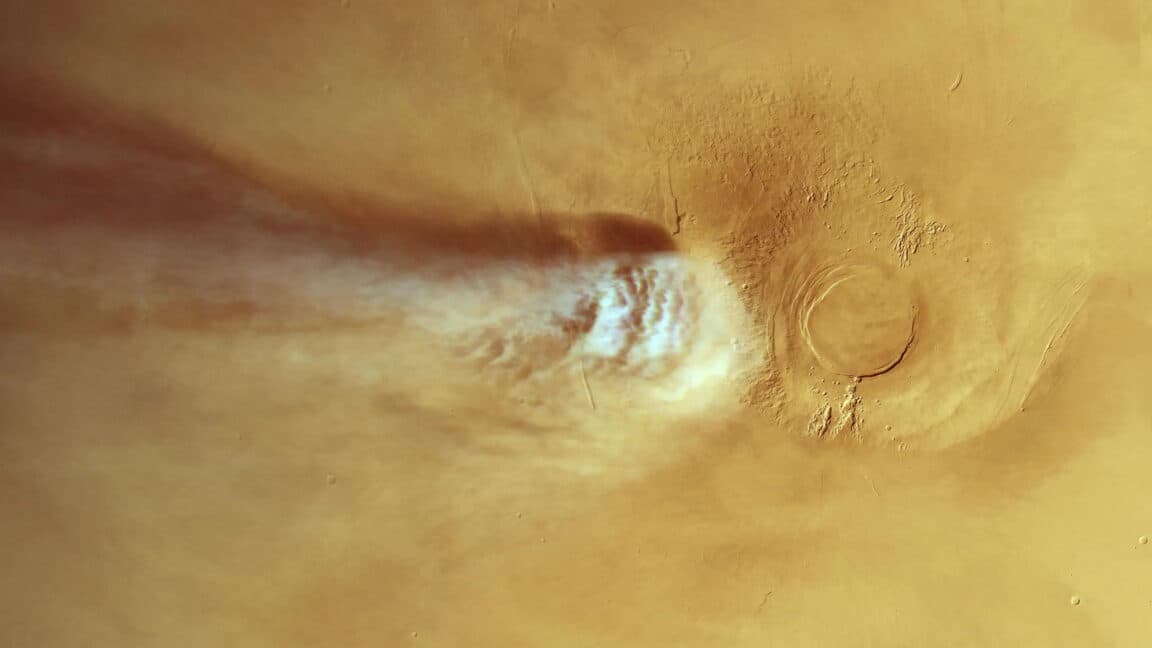
Mars Reveals a 1,000-Mile Cloud, Hinting at Uncharted Physics
A vast cloud formation stretching across Mars presents a profound challenge to established atmospheric models, suggesting the Red Planet harbors meteorological phenomena unlike any observed on Earth or in current planetary science.
Research
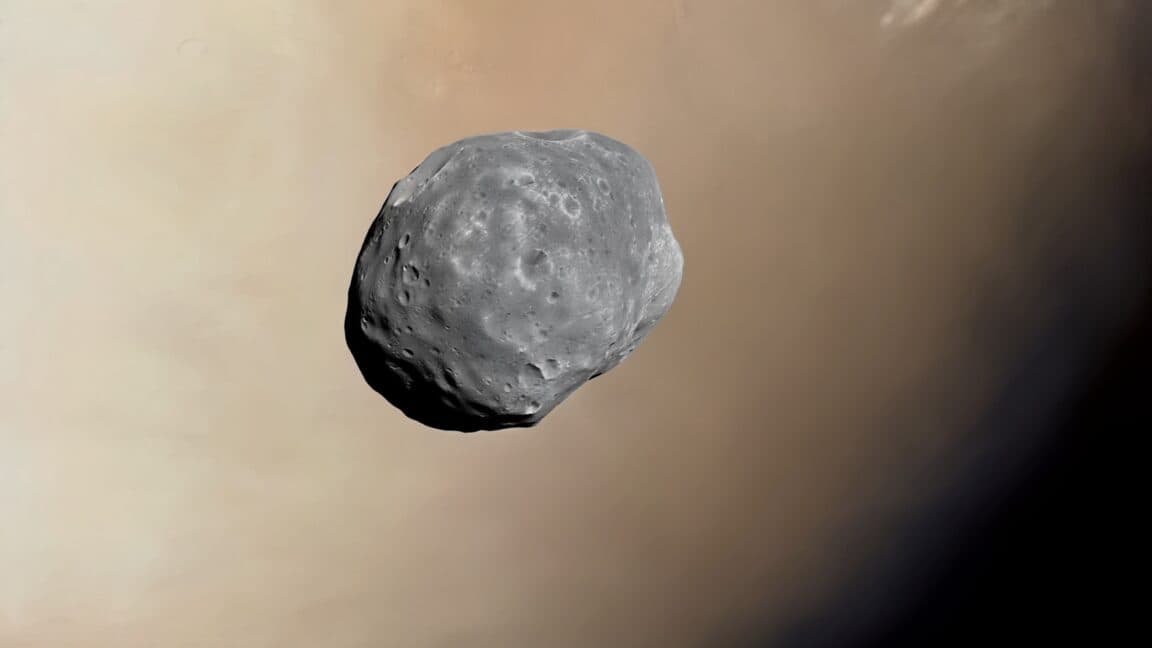
Beyond Mars: Japan's MMX Mission and the Future of Off-World Resources
Japan's Martian Moons eXploration (MMX) mission is poised to launch in 2026, aiming to return samples from Phobos. This endeavor promises to reshape our understanding of planetary formation and inform future off-world habitation.

Research
Echoes from an Ancient Stellar Death
Light from a cosmic explosion that reached Earth during Japan's Samurai era now reveals unexpected conditions at its source.