Research|Issue 04
Mars Reveals a 1,000-Mile Cloud, Hinting at Uncharted Physics
A vast cloud formation stretching across Mars presents a profound challenge to established atmospheric models, suggesting the Red Planet harbors meteorological phenomena unlike any observed on Earth or in current planetary science.
- By
- ARTEMIS TOKYO Editors
- Dateline
- TOKYO, 2026-10-24
- Date
- October 24, 2026
- Time
- 4 min read
Source
Ars Technica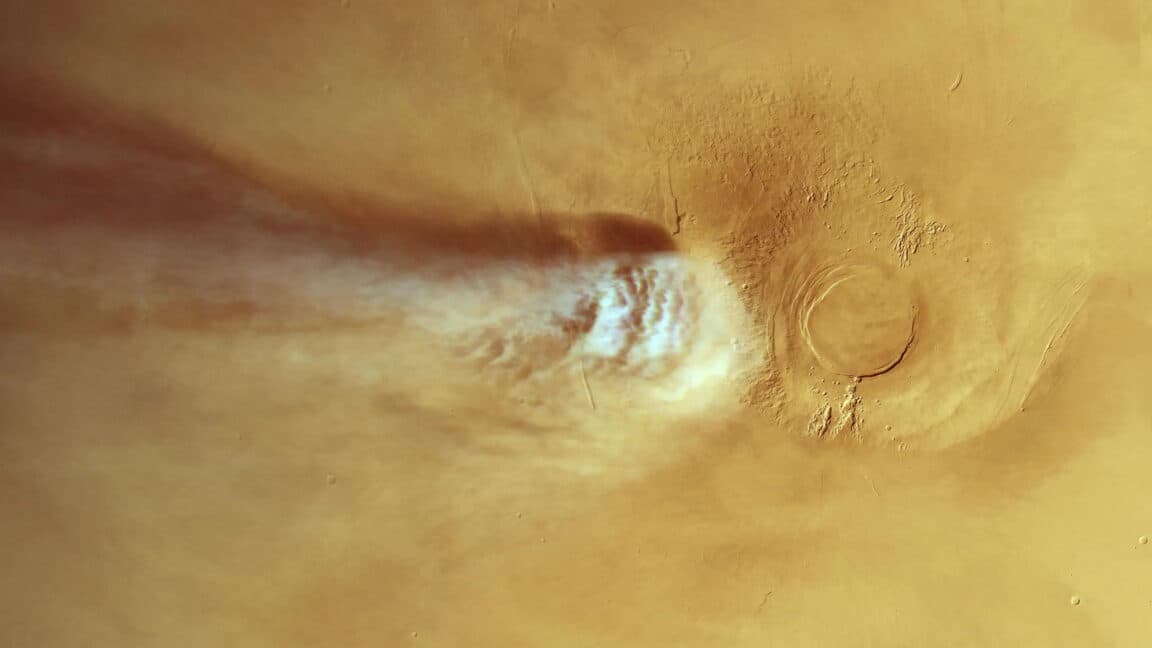
A colossal cloud, spanning an estimated 1,000 miles (approximately 1,600 kilometers) across the Martian landscape, has captured the attention of planetary scientists. This atmospheric anomaly is not merely a visual spectacle but represents a significant puzzle for researchers attempting to model the Red Planet's complex climate.
The sheer scale of this recurring phenomenon suggests a dynamic interplay of atmospheric forces previously uncatalogued. Unlike terrestrial cloud formations, which are governed by well-understood thermodynamic principles, this Martian cloud appears to operate under conditions that defy conventional expectations.
Observations indicate that the cloud’s formation and persistence are tied to specific Martian seasons, emerging with a regularity that allows for detailed study. However, its immense size and the velocity of its development point to underlying physical processes that remain largely mysterious.
Scientists are now scrutinizing data from various orbital missions to piece together the mechanisms driving this unique weather event. Understanding its composition, altitude, and interaction with Martian topography is critical to deciphering the atmospheric physics at play.
"The sheer scale of this atmospheric event on Mars challenges our current understanding of planetary meteorology."
Such large-scale atmospheric dynamics hold significant implications for future human endeavors on Mars. Accurate climate modeling is paramount for designing sustainable habitats, planning surface operations, and ensuring the safety of long-duration missions.
For those who will one day live and work on Mars, the presence of such a vast, poorly understood weather system introduces both scientific opportunity and a new layer of environmental complexity. It underscores the necessity of robust, adaptable off-world infrastructure, and reminds future inhabitants that the Martian sky will present its own unique anxieties and wonders, distinct from any they knew on Earth.
Related Reading
Research
Beyond Mars: Japan's MMX Mission and the Future of Off-World Resources
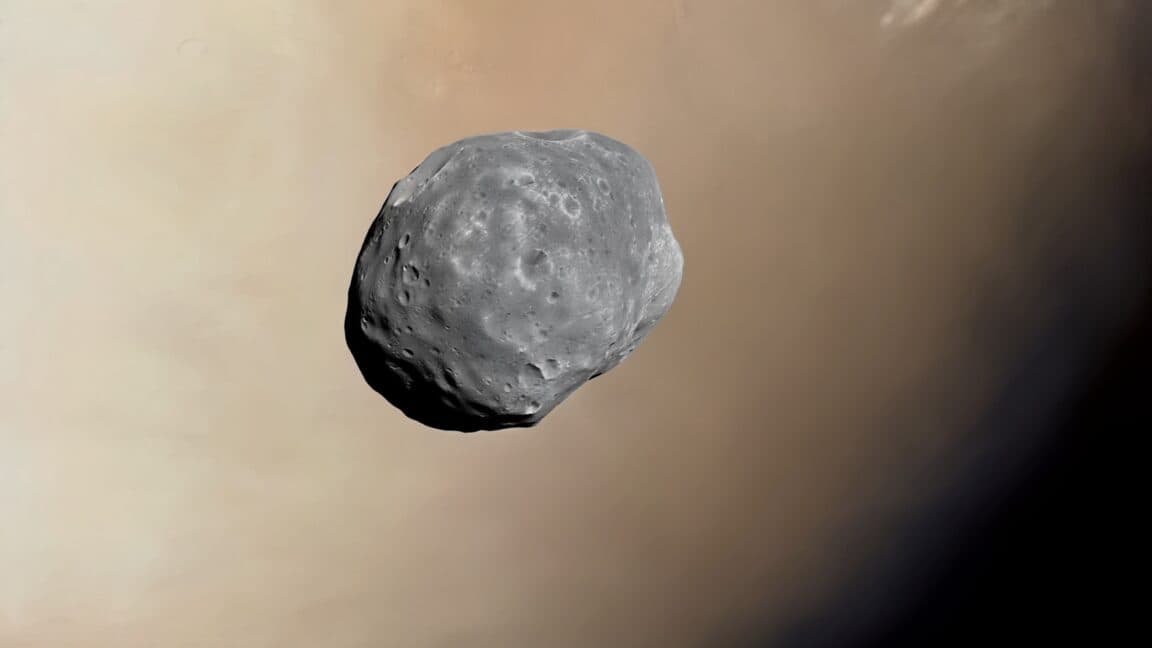
Japan's Martian Moons eXploration (MMX) mission is poised to launch in 2026, aiming to return samples from Phobos. This endeavor promises to reshape our understanding of planetary formation and inform future off-world habitation.

Research
Echoes from an Ancient Stellar Death
Light from a cosmic explosion that reached Earth during Japan's Samurai era now reveals unexpected conditions at its source.

Research
A Signal from Silence: Webb Detects the Unexpected in Cosmic Voids
The James Webb Space Telescope has reportedly detected a persistent signal emanating from a region of space previously considered empty, prompting fresh inquiry into the fundamental nature of the cosmos.