Space Tech|Issue 04
Starship's Thirteenth Ascent
SpaceX prepares for another pivotal Starship test flight, pushing the boundaries of heavy-lift orbital transport and the future of off-world settlement.
- By
- ARTEMIS TOKYO Editors
- Dateline
- Boca Chica, Texas
- Date
- July 14, 2026
- Time
- 3 min read
Source
Ars Technica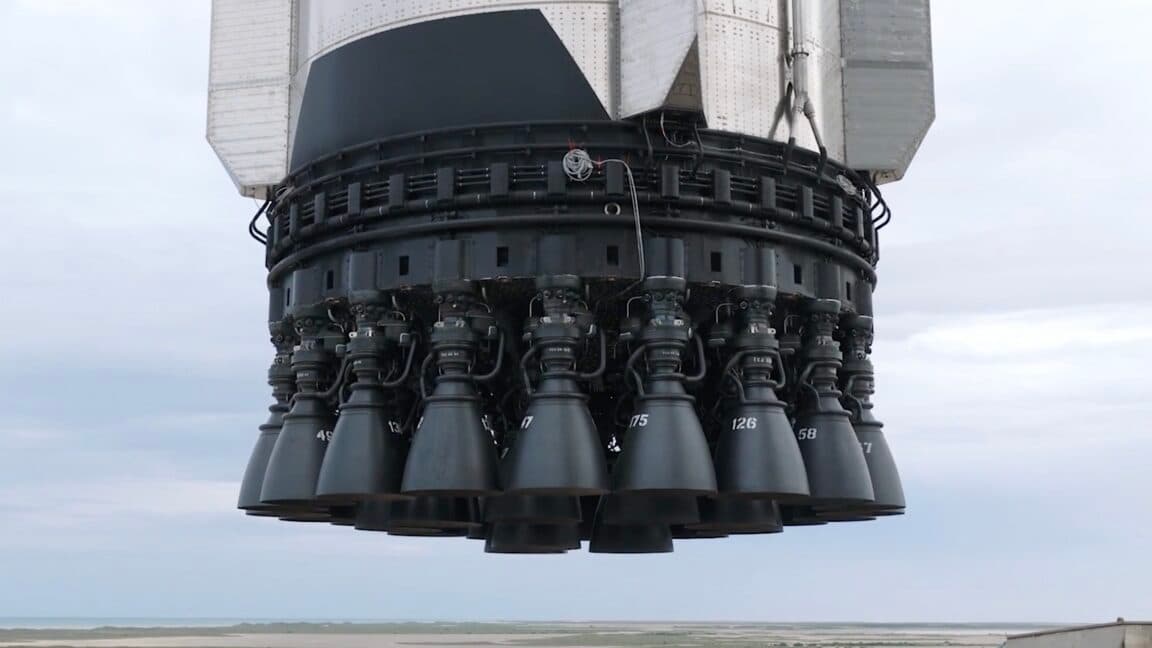
The Texas Gulf Coast prepares once again for the ascent of a Starship vehicle. SpaceX is gearing up for the 13th test flight of its fully integrated Starship and Super Heavy booster system from its Starbase facility in Boca Chica.
These iterative flights are central to the company’s strategy for developing a reusable, super-heavy-lift launch system. Each test refines the vehicle's design and operational procedures, moving closer to the goal of reliable orbital and beyond-Earth transportation.
The primary objective of this flight, like its predecessors, is to gather critical data on the integrated system's performance during ascent, orbital maneuvers, and atmospheric re-entry. Engineers meticulously analyze every parameter, from engine thrust to aerodynamic stresses, to inform subsequent design iterations.
"SpaceX is gearing up for Starship's 13th test flight later this week."
The sheer scale of Starship, a launch vehicle roughly 120 meters tall when stacked, underscores the ambition behind the program. Its eventual capacity to transport over 100 metric tons to low Earth orbit, or significant payloads to the Moon and Mars, represents a fundamental shift in space logistics.
Each launch, a visible tremor in the fabric of what is possible, pushes the boundary of human reach beyond Earth's gravity well. This sustained development is not merely about launching rockets; it is about establishing a foundational transport layer for a future interplanetary society.
For those who envision lives beyond Earth, the Starship program offers a tangible pathway. The ability to move vast quantities of materials and people affordably will define the architecture and economics of lunar bases, Martian settlements, and orbital habitats. The texture of off-world living—the size of a living module, the density of a lunar mining operation, the cost of a return ticket—will be directly shaped by this vehicle's operational success.
Related Reading

Space Tech
US Space Leadership Appointments Advance
The nominations for key civilian roles in Air Force space acquisition and the National Reconnaissance Office underscore the strategic importance of orbital infrastructure.

Space Tech
Space Force Expands Launch Provider Roster
The US Space Force has added two new companies to its National Security Space Launch program, bringing the total to seven. This diversification aims to enhance resilience and competition in the critical sector.
Space Tech
Stellar Systems' Starhopper Mini: A New Era for Small Satellite Deployment
The successful commercial launch of Stellar Systems Inc.'s Starhopper Mini heralds a more agile and affordable future for orbital infrastructure, redefining access to low Earth orbit for a new generation of off-world ventures.