Space Tech|Issue 04
Space Force Expands Launch Provider Roster
The US Space Force has added two new companies to its National Security Space Launch program, bringing the total to seven. This diversification aims to enhance resilience and competition in the critical sector.
- By
- ARTEMIS TOKYO Editors
- Dateline
- WASHINGTON D.C., July 8, 2026
- Date
- July 14, 2026
- Time
- 5 min read
Source
Payload
The strategic landscape of space launch services continues to evolve, with the United States Space Force recently expanding its roster of preferred providers. On July 8, the military branch announced the addition of two new companies to its National Security Space Launch (NSSL) program.
This move brings the total number of companies participating in the critical acquisition initiative to seven. The NSSL program is designed to ensure reliable and secure access to space for vital national security payloads.
By diversifying its launch partners, the Space Force aims to bolster resilience against potential disruptions and foster a more competitive industrial base. This expansion reflects a broader trend towards leveraging commercial capabilities for government missions.
The decision to onboard additional providers underscores a commitment to robust launch capacity. It introduces new technologies and operational approaches into the defense supply chain, potentially driving down costs and accelerating innovation across the sector.
The Space Force added two new companies to its stable of launchers on July 8, bringing the military’s launch acquisition program to seven companies.
A more varied fleet of rockets means greater flexibility in mission planning and execution. This strategic diversification extends beyond mere redundancy; it cultivates an ecosystem where different launch vehicles can cater to a wider array of mission profiles, from heavy lift to specialized orbital insertions.
For those envisioning a future off-world, the implications are substantial. A competitive and robust launch market is fundamental to reducing the cost of accessing space, whether for government or commercial endeavors. As the number of reliable launch options grows, the logistical challenges of establishing and sustaining lunar bases, orbital habitats, or Martian outposts diminish.
Materials, life support systems, and even consumer goods will become more affordable to transport beyond Earth, directly influencing the economic viability and everyday reality of extraterrestrial life. This expansion of launch providers is a quiet but firm step towards making the off-world dream a tangible, livable future.
Related Reading

Space Tech
US Space Leadership Appointments Advance
The nominations for key civilian roles in Air Force space acquisition and the National Reconnaissance Office underscore the strategic importance of orbital infrastructure.
Space Tech
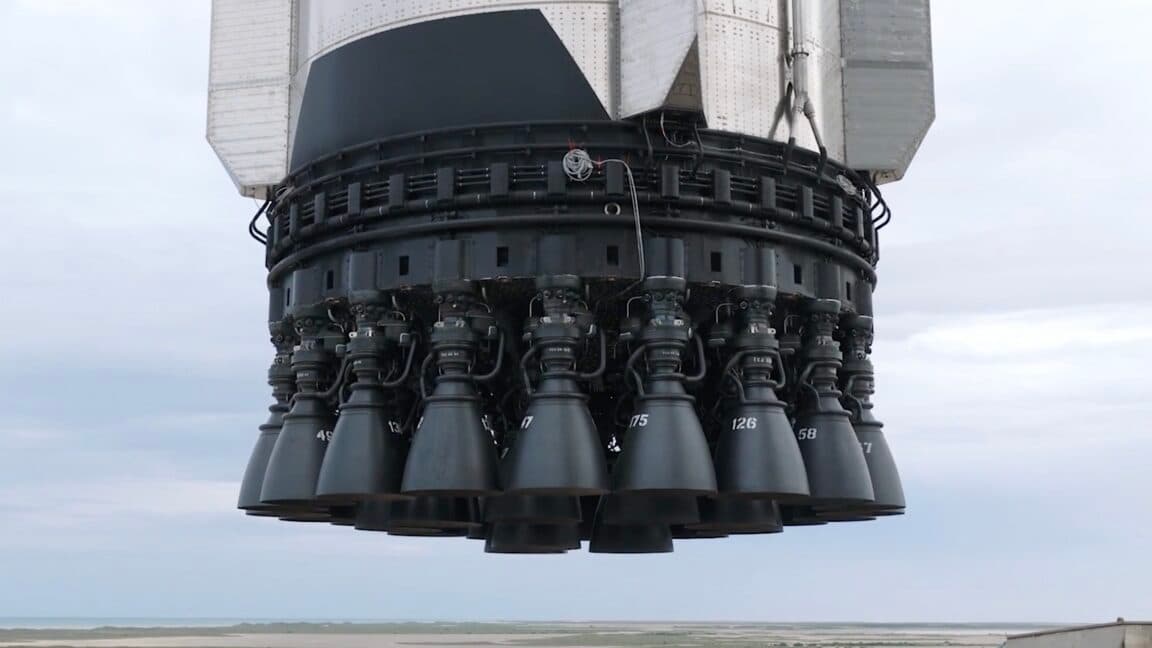
Starship's Thirteenth Ascent
SpaceX prepares for another pivotal Starship test flight, pushing the boundaries of heavy-lift orbital transport and the future of off-world settlement.
Space Tech
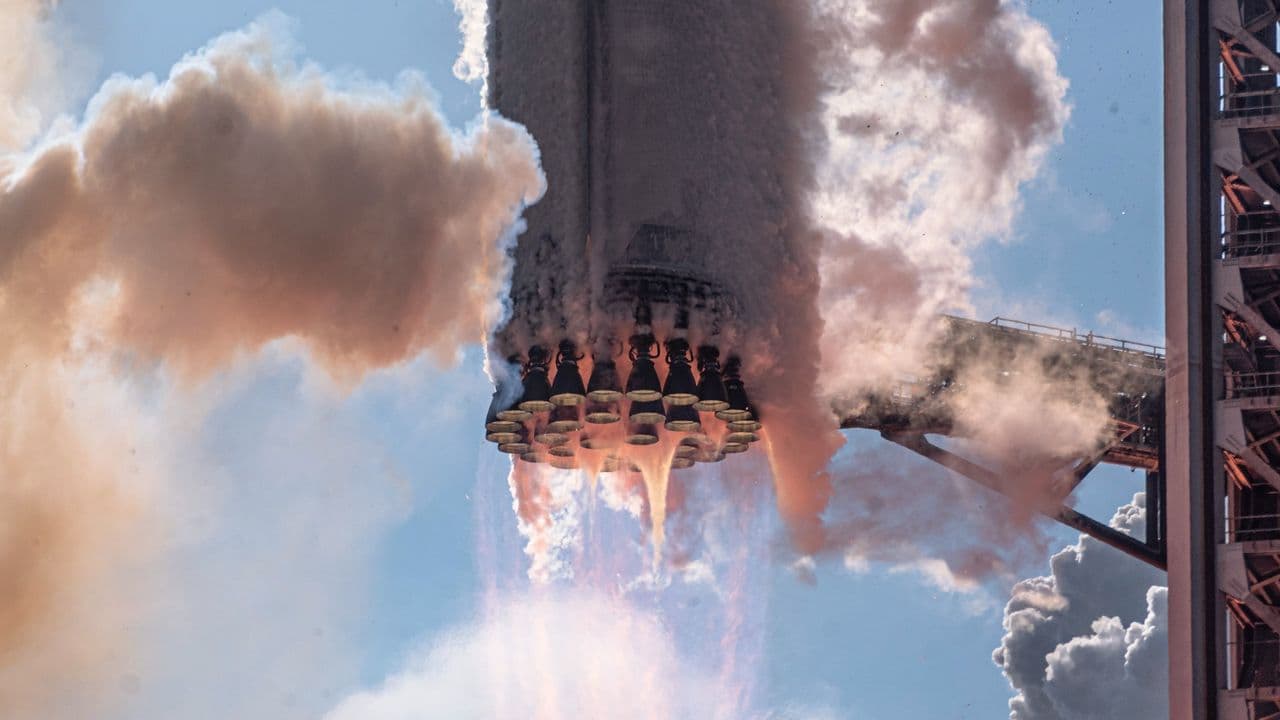
Stellar Systems' Starhopper Mini: A New Era for Small Satellite Deployment
The successful commercial launch of Stellar Systems Inc.'s Starhopper Mini heralds a more agile and affordable future for orbital infrastructure, redefining access to low Earth orbit for a new generation of off-world ventures.