Space Tech|Issue 04
Stellar Systems' Starhopper Mini: A New Era for Small Satellite Deployment
The successful commercial launch of Stellar Systems Inc.'s Starhopper Mini heralds a more agile and affordable future for orbital infrastructure, redefining access to low Earth orbit for a new generation of off-world ventures.
- By
- ARTEMIS TOKYO Editors
- Dateline
- Brownsville, Texas – July 13, 2026
- Date
- July 13, 2026
- Time
- 6 min read
Source
Space.com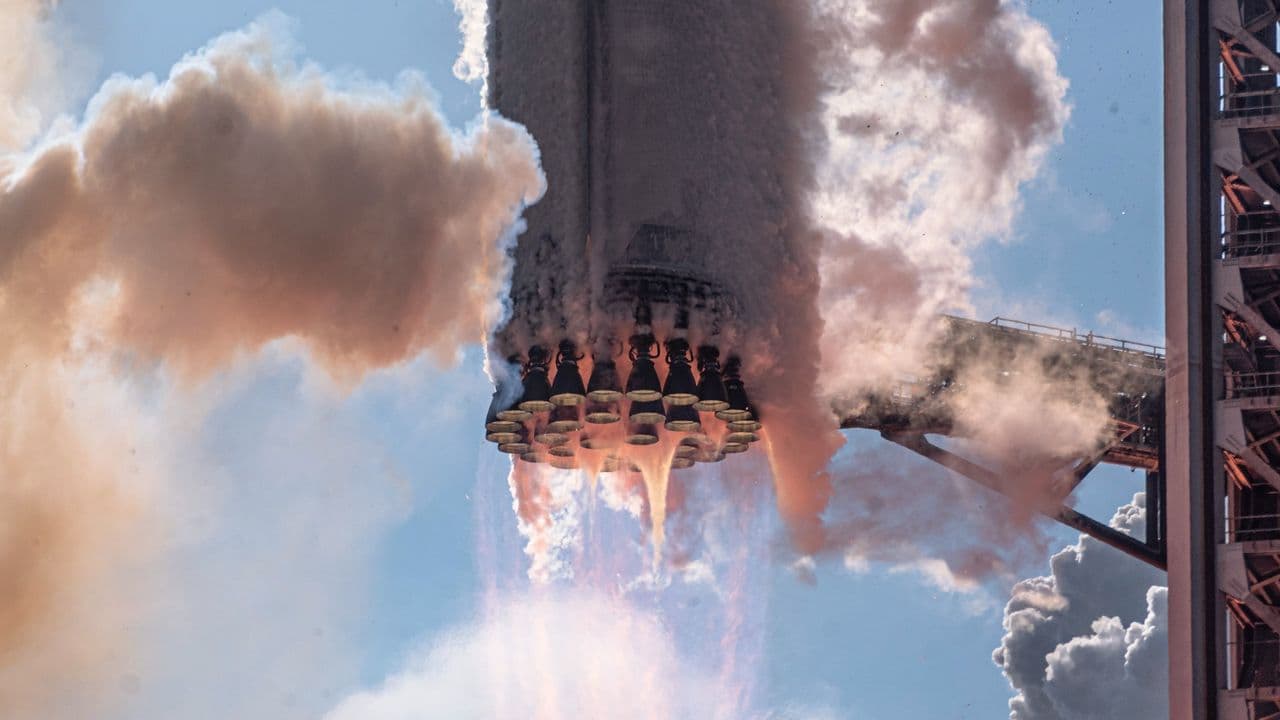
The dawn sky over coastal Texas was cleaved by a new silhouette. Stellar Systems Inc. marked a significant operational milestone on July 13, 2026, with the successful launch and return of its Starhopper Mini vehicle. This event signals a maturation in the small-payload launch market, pushing towards greater accessibility for orbital ventures.
The Pathfinder-1 mission ascended from the company's private spaceport near Brownsville, delivering a dozen CubeSats, each weighing approximately five kilograms, into a precise low Earth orbit. This mission represents the culmination of years of iterative development in rapid-reuse technology, demonstrating the company's capability for routine operations.
The Starhopper Mini boasts a reported 30% reduction in cost per kilogram compared to its closest competitors in the dedicated small-launch sector. While larger vehicles like the Falcon 9 offer rideshare options, Stellar Systems aims to provide bespoke deployment windows for constellations requiring specific orbital planes and tighter schedules.
"The Starhopper Mini boasts a reported 30% reduction in cost per kilogram compared to its closest competitors in the dedicated small-launch sector."
The rocket's ceramic heat shield, visible upon re-entry, demonstrated its durability for quick refurbishment, a critical factor in achieving high flight cadences and driving down operational costs. This efficiency translates directly into more frequent and flexible launch opportunities.
Off-World Implications
The proliferation of such dedicated, cost-effective launch capabilities will reshape the economics of orbital infrastructure. For those building and operating off-world habitats—whether around the Moon or Mars—this means a faster, more affordable pathway for deploying essential communications relays, navigation beacons, and early warning systems.
The ability to routinely launch micro-satellites changes the very texture of off-world operations. Imagine a future where a new lunar research station can deploy its own localized weather monitoring network or enhanced GPS equivalent within weeks, rather than waiting months for a rideshare slot. This shifts what is possible, enabling more agile and responsive off-world development and allowing even small, independent ventures to deploy their own digital infrastructure.
Related Reading

Space Tech
Orbital Vigilance: The Expansion of Space-Based Defense Networks
The U.S. Space Development Agency awards significant contracts to enhance its missile-tracking capabilities, marking a new chapter in the strategic use of Low Earth Orbit.

Space Tech
Sam Altman and the Orbital Data Center Debate
The OpenAI CEO's skepticism regarding space-based computing infrastructure reflects a broader expert consensus on the enduring challenges of off-world data management.

Space Tech
ESA's 2026 Space Economy Report Maps Europe's Off-World Ambitions
The European Space Agency's latest economic report offers a detailed look into the financial currents shaping the continent's space sector, revealing the foundational elements for future off-world living.