Research|Issue 04
A Signal from Silence: Webb Detects the Unexpected in Cosmic Voids
The James Webb Space Telescope has reportedly detected a persistent signal emanating from a region of space previously considered empty, prompting fresh inquiry into the fundamental nature of the cosmos.
- By
- ARTEMIS TOKYO Editors
- Dateline
- October 17, 2026, Deep Space
- Date
- October 17, 2026
- Time
- 5 min read
Source
Futurism
On October 17, 2026, the James Webb Space Telescope, humanity's most powerful eye on the distant universe, reportedly registered an unprecedented anomaly. Its advanced instruments, designed to peer back to the dawn of time, instead focused on a region believed to be a cosmic void — a vast, empty expanse between galactic filaments.
This 'empty void,' characterized by an extreme scarcity of galaxies, gas, and dark matter, is a foundational element in cosmological models. It represents the large-scale structure of the universe, where matter congregates into clusters and superclusters, leaving immense spaces relatively barren.
However, a persistent, faint signal was detected emanating from within one such void. Scientists involved in the observation are reportedly puzzled by its origin and characteristics. The nature of the signal remains unspecified, but its very presence challenges long-held assumptions about the vacuum of space.
The discovery, if confirmed, could necessitate a re-evaluation of our understanding of cosmic composition and the limits of known physics. It suggests that even the most desolate corners of the universe may harbor phenomena currently beyond our theoretical grasp.
The telescope stared into the abyss, and the abyss stared back.
The implications extend beyond astrophysics. For those who will one day live and work off-world, this detection reshapes the very concept of solitude in space. An 'empty' expanse might not be truly empty, introducing a new layer of wonder — or perhaps, a subtle, pervasive anxiety — to the silent, vast spaces between worlds.
The universe, it seems, still holds its deepest secrets in plain sight, veiled not by distance, but by our own assumptions. This faint echo from the void reminds us that our maps of the cosmos are far from complete, and that the definitions of 'known' and 'unknown' are perpetually shifting.
Related Reading
Research
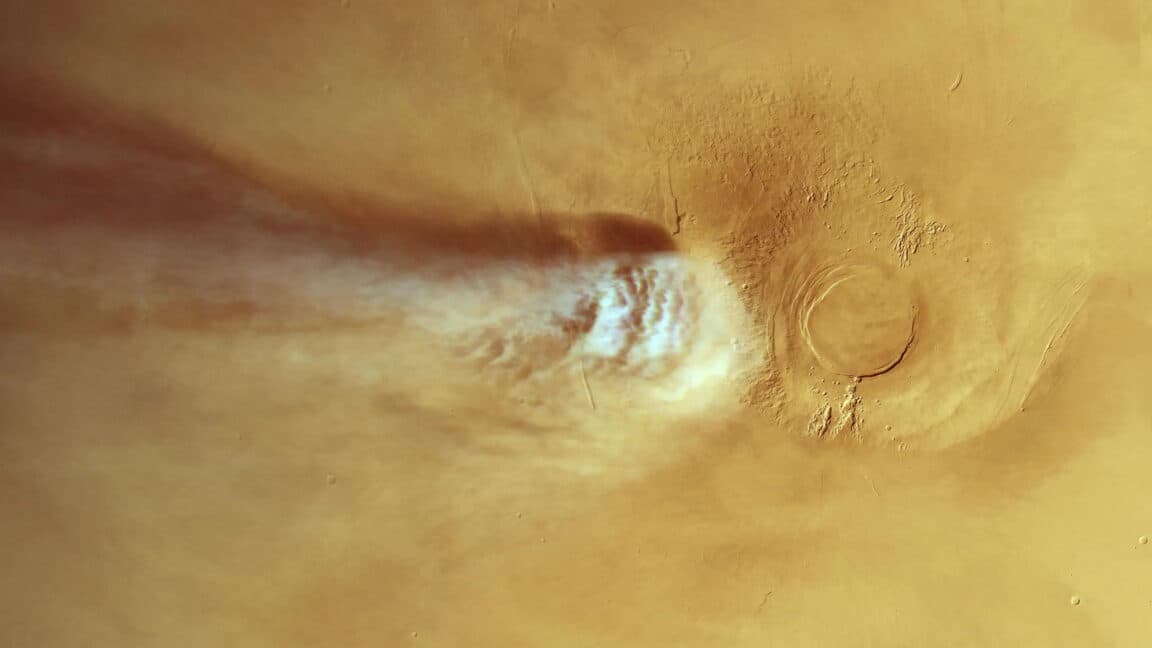
Mars Reveals a 1,000-Mile Cloud, Hinting at Uncharted Physics
A vast cloud formation stretching across Mars presents a profound challenge to established atmospheric models, suggesting the Red Planet harbors meteorological phenomena unlike any observed on Earth or in current planetary science.
Research
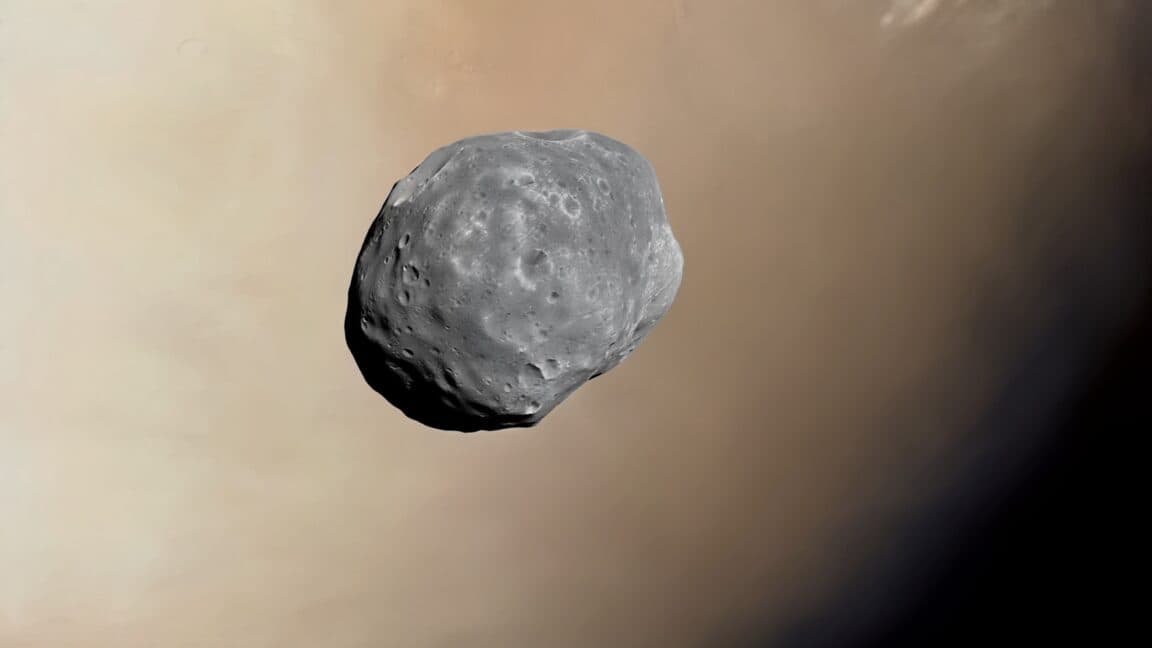
Beyond Mars: Japan's MMX Mission and the Future of Off-World Resources
Japan's Martian Moons eXploration (MMX) mission is poised to launch in 2026, aiming to return samples from Phobos. This endeavor promises to reshape our understanding of planetary formation and inform future off-world habitation.

Research
Echoes from an Ancient Stellar Death
Light from a cosmic explosion that reached Earth during Japan's Samurai era now reveals unexpected conditions at its source.