Research|Issue 04
Lunar Subsurface: The Promise of Natural Shelters
The discovery of lunar pits hints at vast subsurface networks, offering a vision for future off-world habitats shielded from the Moon's harsh environment.
- By
- ARTEMIS TOKYO Editors
- Dateline
- Lunar Orbit
- Date
- October 12, 2026
- Time
- 5 min read
Source
Futurism
The lunar surface presents an unrelenting environment, a vacuum scarred by micrometeorites and bathed in radiation. For decades, the primary challenge of establishing a permanent human presence has been the design of structures capable of withstanding these conditions.
However, observations from lunar orbiters have revealed intriguing features: what appear to be 'skylights' or 'pits' — openings that could lead to extensive subsurface lava tubes. These natural formations, remnants of ancient volcanic activity, are now subjects of intense scientific and architectural interest.
NASA continues its investigation into these anomalies, recognizing their profound implications. Unlike the exposed surface, the interior of these subterranean structures promises a stable environment, shielded from solar and cosmic radiation, and maintaining a relatively constant temperature, a stark contrast to the extreme diurnal swings above.
Such geological features could dramatically simplify the engineering challenges of lunar habitats. Rather than constructing massive, radiation-proof domes from scratch, future settlers might find ready-made shelters deep within the Moon's crust, requiring less material and energy for construction and life support.
"NASA is investigating a large hole on the Moon that may open into an enormous cave."
While the specific dimensions of any potential 'enormous cave' remain speculative, the very existence of such a possibility reshapes our understanding of lunar colonization. These vast, protected spaces could host entire underground cities, allowing for expansive living and working areas free from the constraints of surface exposure.
For those who will one day call the Moon home, these natural sanctuaries represent more than just protection. They offer the psychological comfort of enclosed spaces, a sense of permanence, and a foundation upon which a unique off-world culture can take root. The future lunar dweller may find shelter not in a manufactured dome, but within the silent, ancient rock itself, a quiet, protected existence beneath the alien sky.
Related Reading
Research
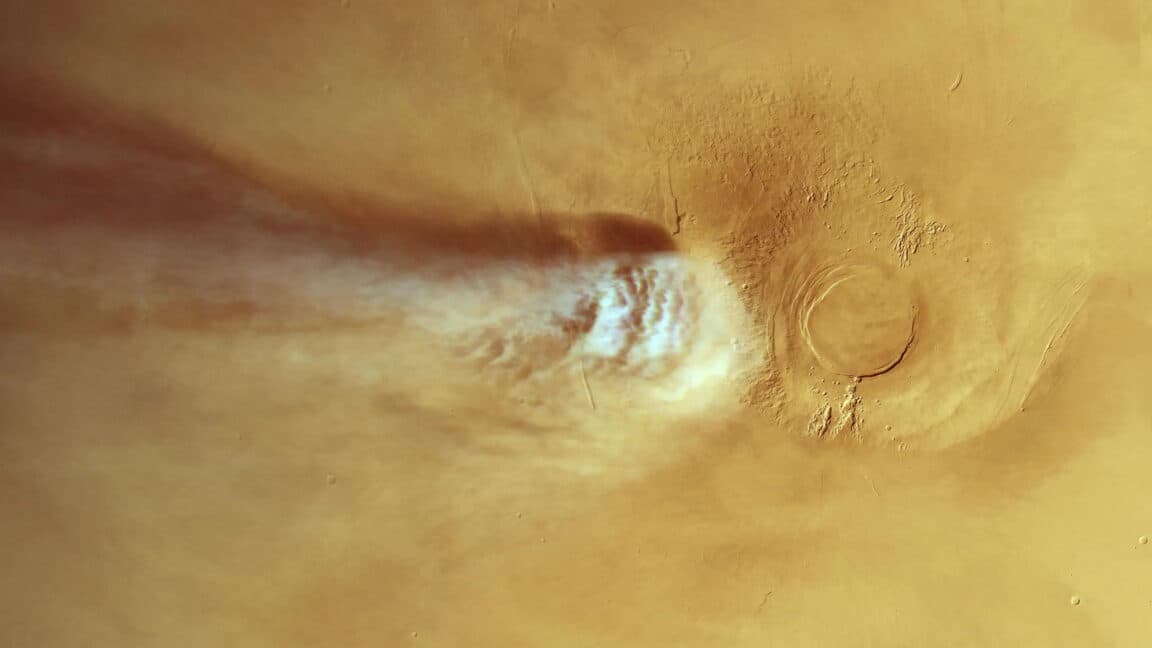
Mars Reveals a 1,000-Mile Cloud, Hinting at Uncharted Physics
A vast cloud formation stretching across Mars presents a profound challenge to established atmospheric models, suggesting the Red Planet harbors meteorological phenomena unlike any observed on Earth or in current planetary science.
Research
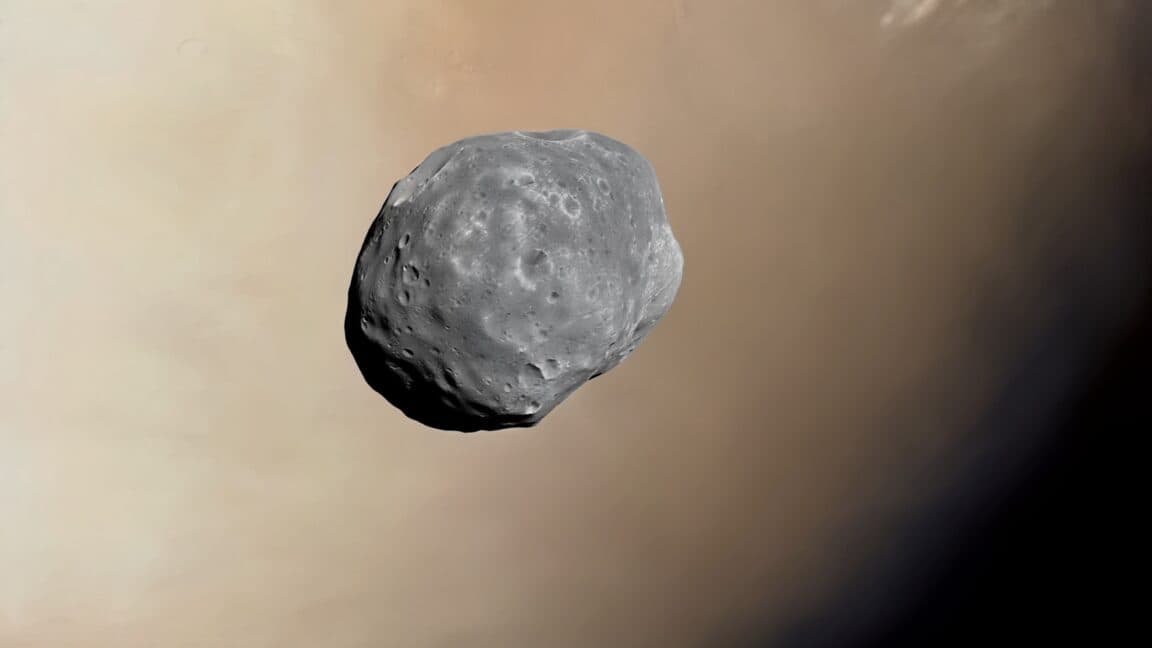
Beyond Mars: Japan's MMX Mission and the Future of Off-World Resources
Japan's Martian Moons eXploration (MMX) mission is poised to launch in 2026, aiming to return samples from Phobos. This endeavor promises to reshape our understanding of planetary formation and inform future off-world habitation.

Research
Echoes from an Ancient Stellar Death
Light from a cosmic explosion that reached Earth during Japan's Samurai era now reveals unexpected conditions at its source.