Research|Issue 04
Cosmic Ingredients: The Search for Life's Building Blocks Beyond Earth
Astronomers have detected complex organic molecules in space, hinting at the widespread availability of life's fundamental components across the cosmos.
- By
- ARTEMIS TOKYO Editors
- Dateline
- Orbiting Earth, July 2026
- Date
- July 18, 2026
- Time
- 4 min read
Source
Futurism
The vast expanse of space continues to yield clues about the origins of life. Recently, astronomers announced the detection of specific organic molecules far beyond Earth, adding another layer to the ongoing cosmic narrative.
These molecules, often described as the building blocks of life, are essential for the formation of proteins, DNA, and other biological structures. Their presence in distant regions suggests that the raw materials for life may not be unique to our solar system.
The discovery underscores a fundamental question: how common is life in the universe? Each such detection strengthens the hypothesis that the conditions and ingredients for abiogenesis might be universally distributed.
Scientists have long theorized that organic compounds could form in interstellar clouds and be delivered to nascent planets via comets and asteroids. This latest observation provides further empirical support for these models.
"It opens the possibility for life to develop on other worlds in a similar fashion to what it did on Earth."
For those envisioning a future beyond Earth, this has tangible implications. The availability of complex organic compounds in off-world environments could reduce the reliance on Earth-based supply chains for sustenance and material synthesis.
Imagine the taste of food grown with precursors harvested directly from a Martian regolith, or the texture of a fabric woven from bio-synthesized fibers using local resources. Such a future, where settlers cultivate their own ecosystems, moves closer with each discovery of cosmic ingredients.
The long-term viability of off-world habitats hinges on self-sufficiency. Finding these foundational molecules in space suggests that the universe itself might be a vast pantry, awaiting future generations to learn how to unlock its potential.
Related Reading
Research
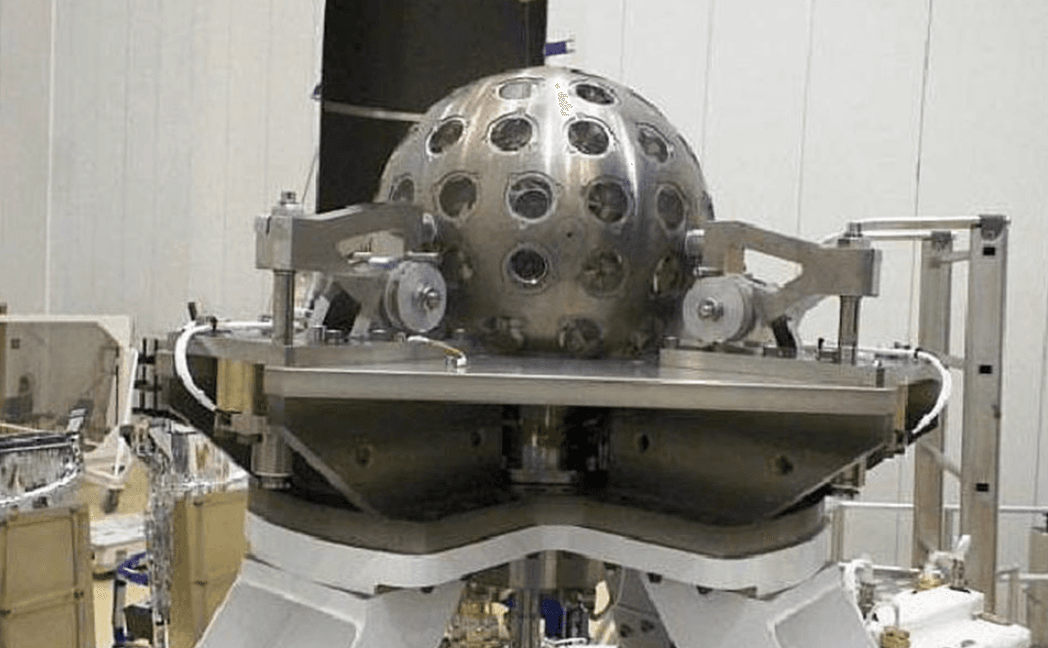
Precision in Orbit: A Satellite's Unseen Dance Confirms Einstein
A specialized satellite, reflecting laser pulses across vast distances, has offered the most rigorous examination to date of Einstein's theory of General Relativity, yielding unprecedented precision in understanding the fabric of spacetime.
Research
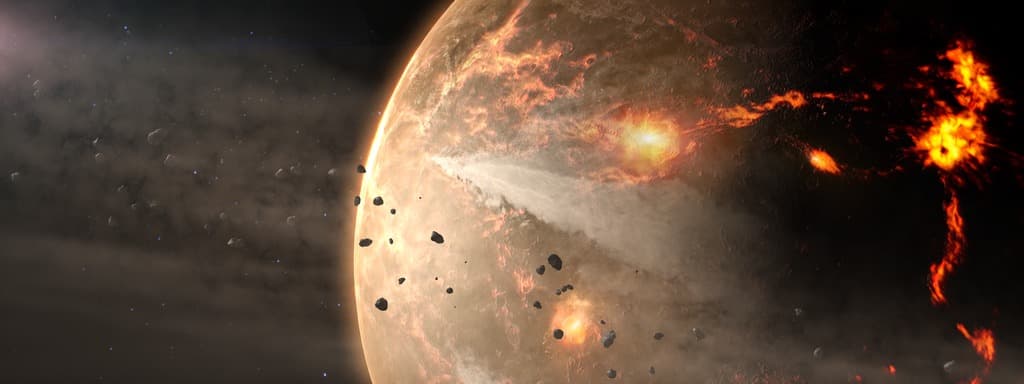
Earth's Violent Infancy: A Crust Reshaped by Cosmic Bombardment
New research suggests that Earth's earliest crust was repeatedly melted and reformed by intense cosmic bombardment, delaying the planet's stabilization and the emergence of life-supporting conditions.
Research
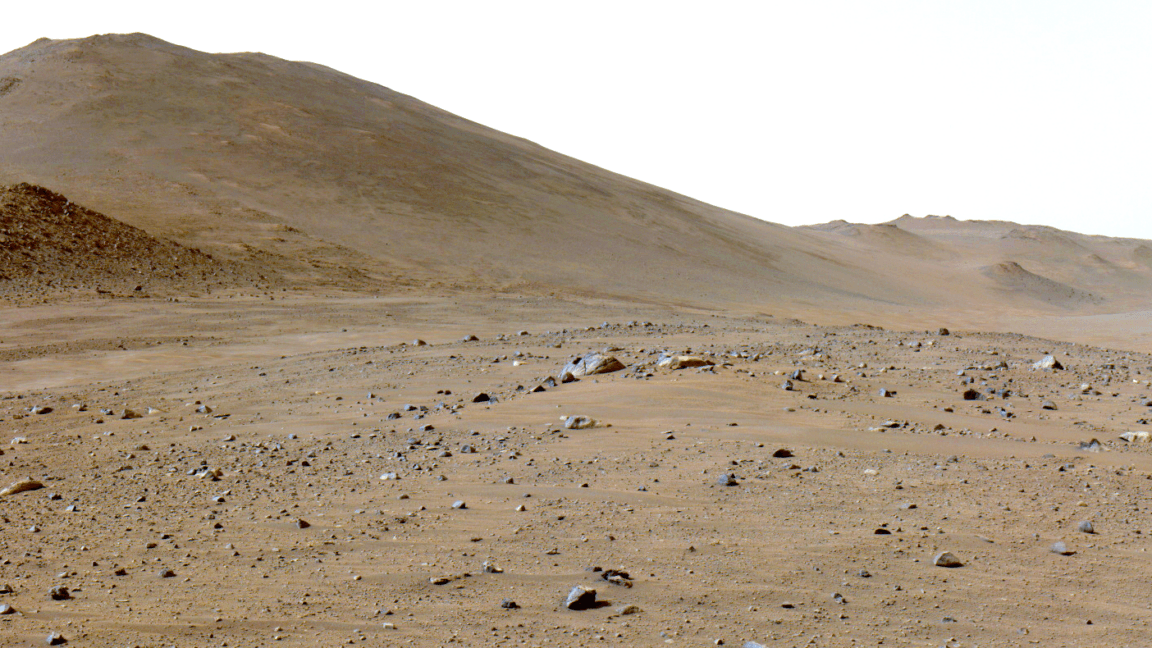
Martian Carbon: A Geologic Anomaly or Vestige of Life?
A recent analysis of a Martian rock sample reveals unexpected concentrations of carbon, prompting scientists to reconsider the planet's geological past and potential for life. The origin remains a profound question.