Research|Issue 04
Earth's Violent Infancy: A Crust Reshaped by Cosmic Bombardment
New research suggests that Earth's earliest crust was repeatedly melted and reformed by intense cosmic bombardment, delaying the planet's stabilization and the emergence of life-supporting conditions.
- By
- ARTEMIS TOKYO Editors
- Dateline
- Tokyo, July 5, 2026
- Date
- July 5, 2026
- Time
- 5 min read
Source
Ars Technica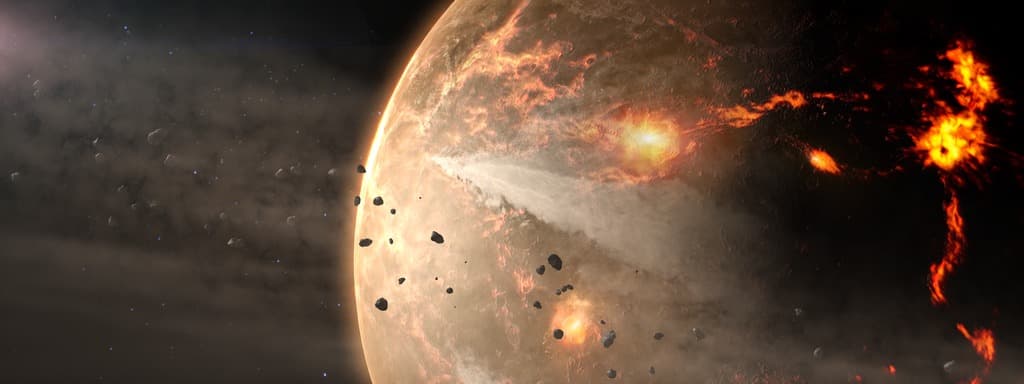
For its first 500 million years, Earth was a planet under siege. While our understanding of the planet's infancy has long been a subject of scientific inquiry, new research sheds light on a period of intense cosmic bombardment that may have fundamentally reshaped Earth's surface, delaying the formation of a stable crust.
Conventional models often depicted a relatively rapid cooling and solidification of Earth's surface after its formation approximately 4.5 billion years ago. However, the geological record presents a significant gap: the oldest surviving continental crust dates back only about 4.0 billion years, leaving a 'missing 500 million' years of crustal history largely unexplained.
This new study suggests that during the Hadean Eon, the period between 4.5 and 4.0 billion years ago, Earth was subjected to impacts far more devastating than previously imagined. These were not mere meteor showers, but collisions on a scale comparable to the Moon-forming impact event itself, repeatedly remelting vast swathes of the planet's nascent surface.
Such colossal impacts would have generated immense heat, turning any newly formed solid crust back into a seething, molten ocean of rock. This perpetual resurfacing would have prevented the early Earth from establishing stable continental landmasses and enduring oceans, pushing back the timeline for conditions conducive to life.
"The continuous resurfacing would have significantly delayed the planet's geological and atmospheric stabilization."
Understanding this violent early history is crucial for planetary science, offering insights into the habitability of other worlds. It refines our models of planetary evolution, particularly for rocky planets in young star systems, where similar bombardment phases are likely common. The early Earth was a cosmic crucible, constantly being reformed by impacts.
For those envisioning life beyond Earth, this research underscores the profound challenges of establishing permanent footholds on newly formed planets. It suggests that patience, and perhaps deep subsurface habitats, might be prerequisites for any early attempts at off-world settlement, awaiting a geological calm that may take hundreds of millions of years to arrive.
Related Reading
Research
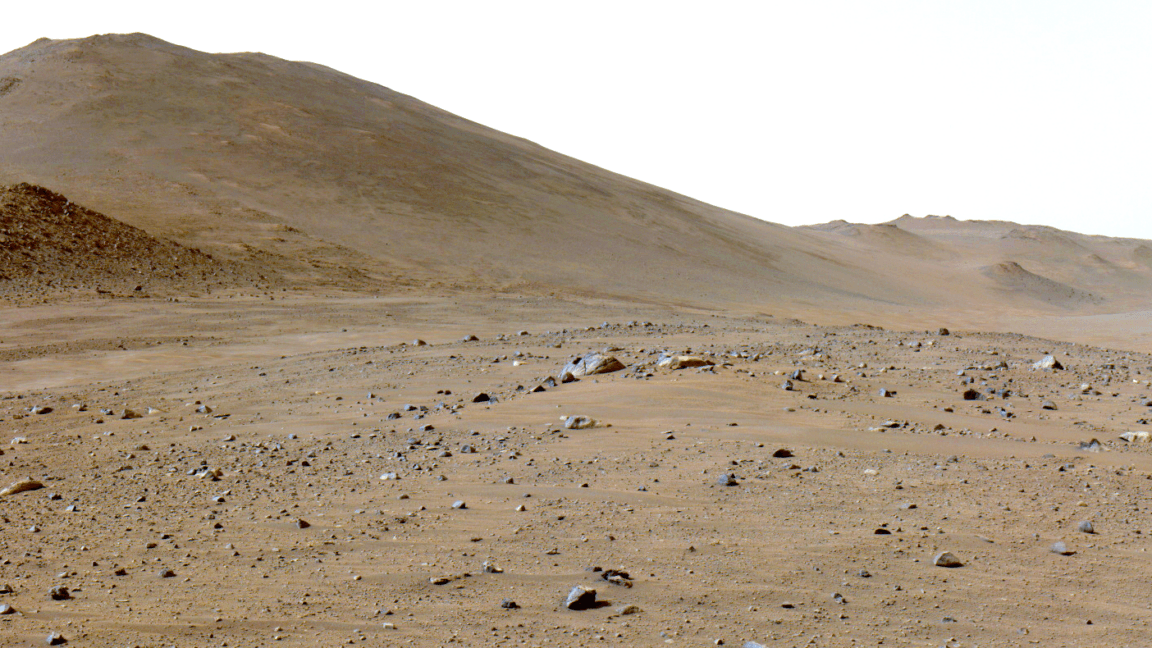
Martian Carbon: A Geologic Anomaly or Vestige of Life?
A recent analysis of a Martian rock sample reveals unexpected concentrations of carbon, prompting scientists to reconsider the planet's geological past and potential for life. The origin remains a profound question.
Research
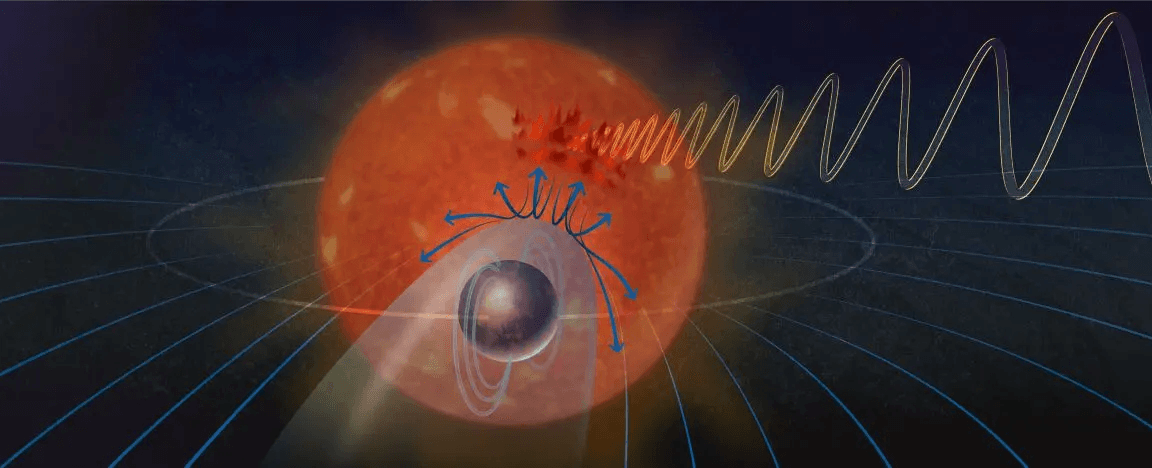
A Magnetic Embrace: Worlds Bound by Stellar Fields
Recent astronomical observations reveal exoplanets in such extreme proximity to their host stars that their magnetic fields merge, creating a dynamic, volatile environment unlike anything in our solar system.

Research
The Distant Prospect: Settling Saturn's Icy Moon
A NASA scientist's argument for human habitation on a Saturnian moon prompts reflection on the immense challenges and profound implications of building new societies in the outer solar system.