Artemis Program|Issue 04
Accelerated Lunar Base Bolstered by Space Nuclear Pact
NASA announces an ahead-of-schedule timeline for its lunar outpost, underpinned by a new agreement for space-based nuclear power, signaling a firmer commitment to sustained off-world presence.
- By
- ARTEMIS TOKYO Editors
- Dateline
- October 9, 2026
- Date
- October 9, 2026
- Time
- 3 min read
Source
Payload
The lunar horizon, once a distant promise, now appears closer and more tangible. NASA's recent announcements signal a tangible acceleration in its plans for a permanent human presence on the Moon, shifting the narrative from aspiration to concrete action.
At the White House's 'Science: A New Golden Age Summit,' updates confirmed a significant step forward. NASA has signed a new pact focused on space nuclear power, a critical technology for robust lunar operations. This development coincides with the revelation that the agency's Moon base project is now ahead of its initial schedule.
Reliable and abundant energy is the bedrock of any sustained off-world habitat. Nuclear power offers a solution to the challenges of solar intermittency and the limitations of battery storage, providing continuous electricity for life support systems, scientific instruments, and future resource extraction.
The involvement of figures like Jared Isaacman, a prominent private astronaut and entrepreneur, underscores the growing convergence of public and private sector ambitions in space. His presence at such a high-level summit highlights the commercial ecosystem now forming around lunar development.
"Moon Base Is Ahead of Schedule."
This acceleration means more than just a faster construction timeline. It implies an earlier deployment of crewed missions, a quicker establishment of research facilities, and a more rapid progression towards a self-sufficient lunar outpost. The very pace of lunar settlement is quickening.
For those who will one day live and work on the Moon, this means a more secure and robust environment. Stable power underpins everything from manufacturing and communication to daily comfort and the ability to conduct long-duration scientific experiments, changing the definition of what constitutes a habitable space beyond Earth. The hum of a reactor, a new sound of civilization, promises to make the Moon a more permanent home.
Related Reading
Artemis Program
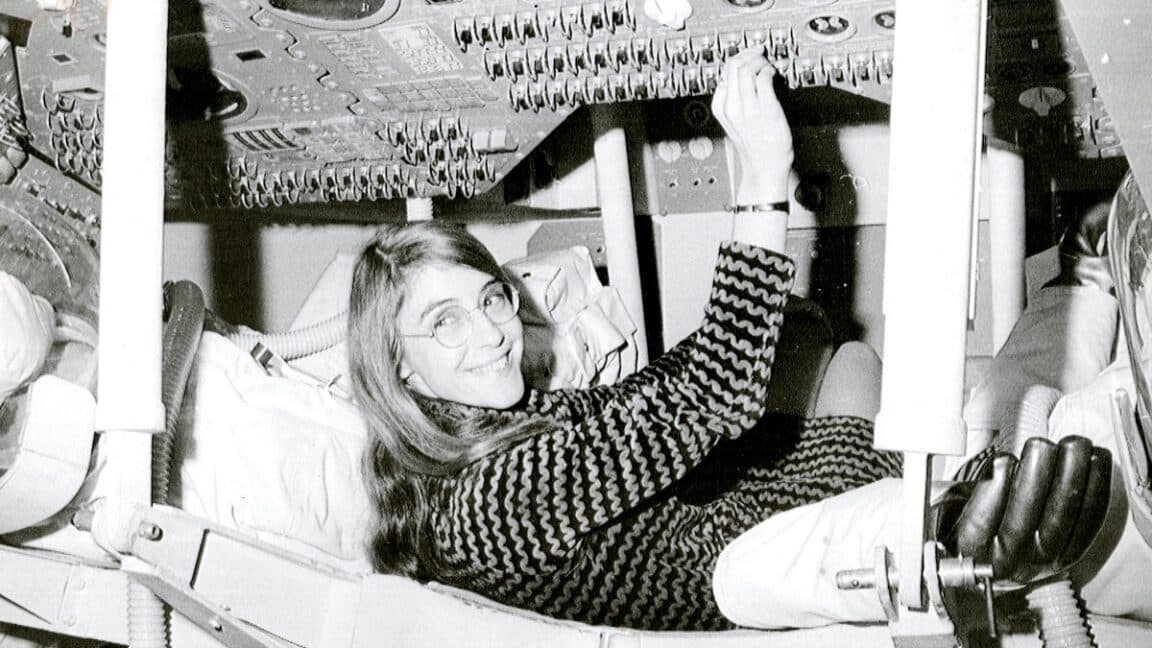
Margaret Hamilton's Enduring Legacy: The Code That Landed Apollo 11
A tribute to the pioneering software engineer whose foresight saved the lunar landing, shaping the future of off-world operations and autonomous systems.

Artemis Program
Lunar Foundations: The Engineering Behind Permanent Moon Habitation
Industry leaders convened to discuss the practicalities of establishing human presence on the Moon, moving beyond temporary visits to sustained habitation.

Artemis Program
Artemis II: Charting Lunar Familiarity
As Artemis II crew members annotate images from their lunar flyby, a new cartography emerges, charting not just terrain but the evolving human relationship with Earth's closest celestial body.