Artemis Program|Issue 04
Lunar Foundations: The Engineering Behind Permanent Moon Habitation
Industry leaders convened to discuss the practicalities of establishing human presence on the Moon, moving beyond temporary visits to sustained habitation.
- By
- ARTEMIS TOKYO Editors
- Dateline
- Johns Hopkins University, October 8, 2026
- Date
- October 8, 2026
- Time
- 5 min read
Source
SpaceNews
The vision of a permanent human presence on the Moon is steadily shifting from abstract aspiration to a tangible engineering challenge. At a recent live event held at the Johns Hopkins University Bloomberg Center, a panel of industry experts gathered to dissect the intricate requirements for establishing a viable lunar base.
Companies like Astrolab and Firefly, key players in the burgeoning lunar economy, contributed to the discussion. Their insights focused on the critical infrastructure necessary for sustained operations, ranging from power generation and life support systems to robust construction methodologies tailored for the lunar environment.
Building a moon base demands solutions far beyond the Apollo era's temporary outposts. It necessitates the development of large-scale pressurized habitats, capable of housing crews for extended periods, along with facilities for scientific research and resource processing. The sheer volume of material and equipment required — potentially hundreds of tons — presents an unprecedented logistical hurdle.
Key among the challenges is the utilization of in-situ resources. Extracting water ice from lunar poles for propellant and life support, or using regolith to 3D-print structures, are no longer theoretical concepts but essential components of any long-term strategy. These processes aim to reduce reliance on costly resupply missions from Earth.
The discussion highlighted the need for modularity and scalability in design. Initial small habitats must be able to expand into larger complexes, accommodating growing populations and diversified activities. This architectural flexibility is crucial for adapting to unforeseen needs and technological advancements over decades.
The original report highlighted the need for 'scalable infrastructure solutions' for lunar development.
Establishing a lunar base transforms the Moon from a destination into a domain. It implies a future where individuals will live and work under the stark lunar sky, where daily routines are dictated by the availability of resources and the rhythm of a 28-day lunar cycle. New professions will emerge, from lunar architects to resource extraction specialists, each contributing to a nascent off-world society.
This shift means more than just technological progress; it marks the beginning of a new cultural frontier. The texture of lunar dust underfoot, the taste of recycled water, the anxiety of radiation exposure — these will become the mundane realities of a life lived far from Earth, shaping a unique human experience.
Related Reading
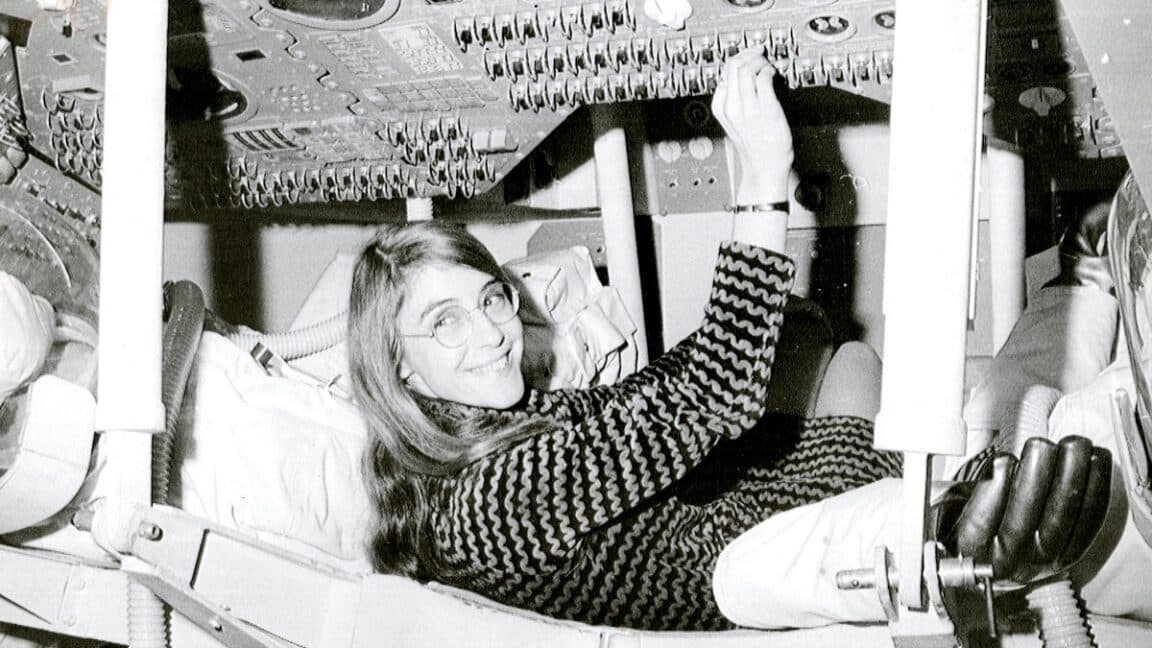
Artemis Program
Margaret Hamilton's Enduring Legacy: The Code That Landed Apollo 11
A tribute to the pioneering software engineer whose foresight saved the lunar landing, shaping the future of off-world operations and autonomous systems.

Artemis Program
Artemis II: Charting Lunar Familiarity
As Artemis II crew members annotate images from their lunar flyby, a new cartography emerges, charting not just terrain but the evolving human relationship with Earth's closest celestial body.

Artemis Program
Expanding the Lunar Horizon: NASA's New Science Mandate for Artemis
NASA announces a significant expansion of scientific investigations for its Artemis Moon missions, signaling a pivot from transient visits to sustained lunar presence and research.