Artemis Program|Issue 04
Margaret Hamilton's Enduring Legacy: The Code That Landed Apollo 11
A tribute to the pioneering software engineer whose foresight saved the lunar landing, shaping the future of off-world operations and autonomous systems.
- By
- ARTEMIS TOKYO Editors
- Dateline
- October 8, 2026, Cambridge, MA
- Date
- October 8, 2026
- Time
- 6 min read
Source
Ars Technica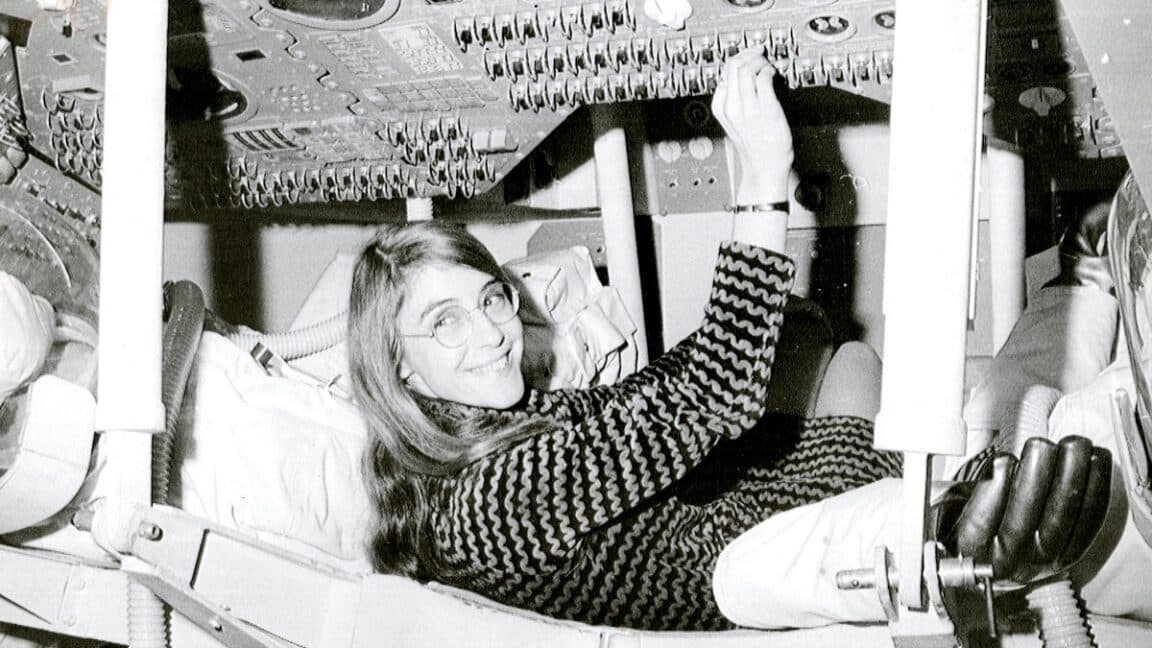
In the annals of space exploration, the human story often overshadows the intricate machinery and invisible code that make such feats possible. Yet, behind one of humanity's most audacious journeys—the Apollo 11 lunar landing—lay a critical piece of software engineering, a testament to foresight and meticulous design.
This system, developed by Margaret Hamilton and her team at the MIT Instrumentation Laboratory, was designed to manage the Apollo Guidance Computer (AGC). It was a machine with severe limitations by today's standards, possessing only 2048 words of RAM and 36,864 words of ROM, yet it was tasked with guiding astronauts to the Moon and back.
The software's true genius was revealed on July 20, 1969, just minutes before the Eagle lander touched down. The AGC became overloaded with data from the landing radar, consuming approximately 12% of its processing capacity with non-essential tasks. Alarm lights flashed, threatening an abort.
Hamilton's team had anticipated such scenarios. Their asynchronous processing and priority scheduling system allowed the AGC to offload lower-priority tasks, ensuring that critical guidance and control functions continued uninterrupted. The alarms, though startling, were merely the system's way of communicating its workload management.
"The software was designed to be more reliable than the hardware it ran on."
This pioneering work laid foundational principles for mission-critical software, establishing robustness and fault tolerance as paramount. It demonstrated that complex, real-time systems could operate reliably under extreme pressure, a lesson that continues to inform aerospace engineering.
For those who will eventually live and work off-world, the legacy of Margaret Hamilton is profoundly relevant. As habitats become autonomous and lunar outposts rely on self-managing systems, the demand for software that can prioritize, adapt, and recover from unexpected loads will only intensify. Her work underscores that the invisible architecture of code is as crucial as any physical structure in ensuring survival and productivity beyond Earth.
Related Reading

Artemis Program
Lunar Foundations: The Engineering Behind Permanent Moon Habitation
Industry leaders convened to discuss the practicalities of establishing human presence on the Moon, moving beyond temporary visits to sustained habitation.

Artemis Program
Artemis II: Charting Lunar Familiarity
As Artemis II crew members annotate images from their lunar flyby, a new cartography emerges, charting not just terrain but the evolving human relationship with Earth's closest celestial body.

Artemis Program
Expanding the Lunar Horizon: NASA's New Science Mandate for Artemis
NASA announces a significant expansion of scientific investigations for its Artemis Moon missions, signaling a pivot from transient visits to sustained lunar presence and research.