Space Tech|Issue 04
The Cadence of Orbit: SpaceX and Rocket Lab Chart New Trajectories
Recent activities from SpaceX and Rocket Lab underscore a rapidly maturing commercial space sector, where high-frequency launches and substantial contracts reshape access to orbit.
- By
- ARTEMIS TOKYO Editors
- Dateline
- TOKYO
- Date
- October 2, 2026
- Time
- 4 min read
Source
Ars Technica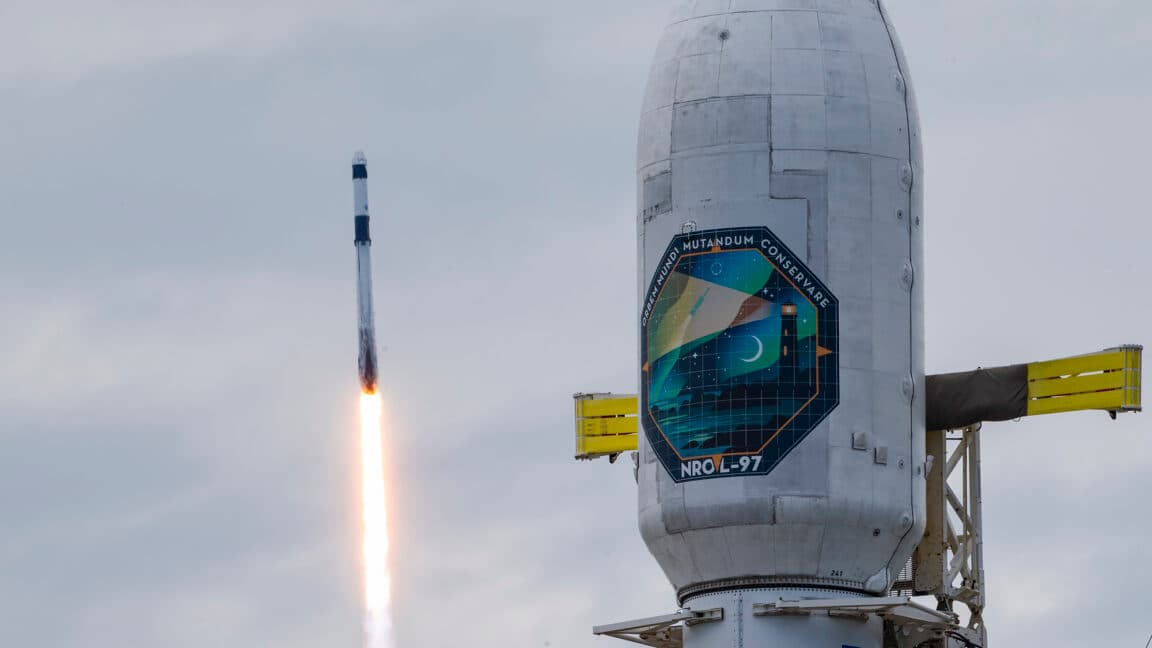
SpaceX's recent "triple-header" of launches, executing three missions in rapid succession, serves as a stark illustration of the evolving commercial space landscape. This operational tempo, once the exclusive domain of state-funded programs, is now a benchmark for private enterprise.
The ability to launch, land, and re-launch Falcon boosters within days, or even hours, has fundamentally altered the economics of orbital access. This rapid turnaround allows for a consistent deployment of satellites, from Starlink constellations to diverse payloads for various clients, transforming Low Earth Orbit into an increasingly busy thoroughfare. The sheer scale of these operations speaks to a future where launch capacity is less a bottleneck and more a utility.
Concurrently, Rocket Lab, a key player in the small-satellite launch sector, announced a significant new contract. This development confirms the sustained demand for dedicated launch services, particularly for smaller payloads that benefit from tailored orbital insertions. It highlights a bifurcation in the market: large constellations on heavy-lift vehicles and specialized missions on more agile rockets.
The ongoing shift towards frequent, commercially driven launches signals a maturation of the space industry.
These twin developments — SpaceX's high cadence and Rocket Lab's contract — point to a robust and diversifying space economy. Competition is driving down costs and increasing reliability, making space more accessible than ever before. This commercial vitality extends beyond mere launch services, impacting satellite manufacturing, data processing, and orbital infrastructure.
For those who will eventually live and work off-world, this accelerated pace of launches means a fundamental shift in logistics. The cost and availability of materials, components, and even personnel transport to lunar bases or orbital stations will decrease. What was once a rare, expensive journey will become a more routine, albeit still complex, supply chain, perhaps even offering a wider choice of cargo textures and materials for off-world architecture and daily living.
Related Reading

Space Tech
NASA's Orbital Access and the Starliner Imperative
The ongoing challenges with Boeing's Starliner program raise questions about NASA's future strategy for reliable crew transport to low Earth orbit, shaping the foundation for sustained off-world presence.

Space Tech
Frontier Energy Research: Fueling Future Off-world Habitats
The U.S. Department of Energy commits $400 million to fundamental science, laying groundwork for power systems vital to sustainable off-world life.

Space Tech
The Silent Hum: Powering Orbital Data Centers
SpaceX's Transporter-18 mission hinted at a future where data processing occurs not on Earth, but in orbit, transforming the economics of space operations and laying groundwork for off-world autonomy.