Space Tech|Issue 04
NASA's Orbital Access and the Starliner Imperative
The ongoing challenges with Boeing's Starliner program raise questions about NASA's future strategy for reliable crew transport to low Earth orbit, shaping the foundation for sustained off-world presence.
- By
- ARTEMIS TOKYO Editors
- Dateline
- WASHINGTON D.C.
- Date
- October 2, 2026
- Time
- 6 min read
Source
Futurism
For decades, NASA has relied on a robust, often diverse, infrastructure to transport its astronauts to orbit. The Commercial Crew Program, initiated to foster private industry solutions, aimed to diversify this access, with Boeing's Starliner and SpaceX's Dragon vehicles as its cornerstones.
However, the Starliner program has encountered significant and persistent delays. Technical setbacks, software issues, and extensive testing have pushed its operational readiness years beyond initial projections, incurring substantial cost overruns for the agency.
This protracted development has placed NASA in an increasingly precarious position. Its ability to consistently rotate crews to the International Space Station (ISS) and maintain a routine presence in low Earth orbit becomes strained when one of its primary commercial partners faces such prolonged difficulties.
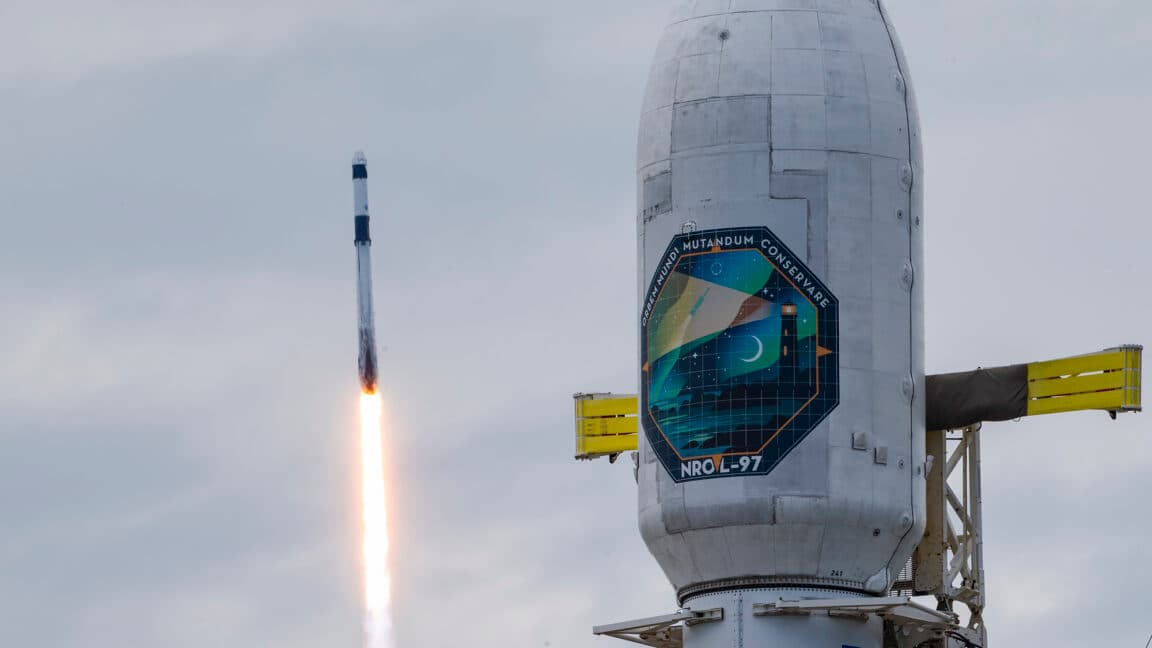
In stark contrast, SpaceX's Dragon capsule has demonstrated consistent operational reliability, having regularly ferried astronauts to the ISS since 2020. This divergence highlights a growing imbalance in NASA's commercial crew portfolio.
The situation compels a re-evaluation of redundancy and resilience in critical space infrastructure. A singular, highly reliable provider mitigates immediate risk but introduces a different kind of dependency, potentially impacting future negotiation power and market competition.
"The challenges faced by the Starliner program are casting doubt on the agency's consistent access to space."
For those envisioning life beyond Earth, dependable and affordable transportation is not merely a logistical detail; it is the very bedrock of existence. Sustained off-world habitats, whether lunar bases or orbital stations, depend on a predictable flow of personnel and supplies. The reliability of such fundamental services dictates the pace and viability of any permanent extraterrestrial settlement. Without it, the vision of off-world living remains tethered to Earth's launchpads, hostage to every delay and cost increase.
Related Reading
Space Tech
The Cadence of Orbit: SpaceX and Rocket Lab Chart New Trajectories
Recent activities from SpaceX and Rocket Lab underscore a rapidly maturing commercial space sector, where high-frequency launches and substantial contracts reshape access to orbit.

Space Tech
Frontier Energy Research: Fueling Future Off-world Habitats
The U.S. Department of Energy commits $400 million to fundamental science, laying groundwork for power systems vital to sustainable off-world life.

Space Tech
The Silent Hum: Powering Orbital Data Centers
SpaceX's Transporter-18 mission hinted at a future where data processing occurs not on Earth, but in orbit, transforming the economics of space operations and laying groundwork for off-world autonomy.