Space Culture|Issue 04
Lunar Serenity: A New Approach to Off-World Living
AstroArc’s ‘Project Serenity’ redefines lunar habitats, blending engineering with human-centric design, drawing inspiration from traditional Japanese aesthetics.
- By
- ARTEMIS TOKYO Editors
- Dateline
- TOKYO
- Date
- October 12, 2026
- Time
- 5 min read
Source
Space.com
The stark, utilitarian aesthetic often associated with off-world habitats is beginning to evolve. A new design initiative, "Project Serenity," from the private aerospace firm AstroArc, aims to redefine living spaces on the lunar surface, prioritizing human comfort and psychological well-being. This approach marks a departure from the purely functional modules of previous eras.
AstroArc's modular habitat, unveiled in recent technical briefings, integrates elements inspired by traditional Japanese residential architecture. These 8-meter diameter units are engineered for a crew of four, designed for rapid deployment within 72 hours of landing. This efficiency is paired with an unexpected focus on interior experience.
Key design features include advanced natural light simulation systems, intended to mimic the circadian rhythms of Earth. Furthermore, the use of synthetic, tatami-like flooring materials provides a familiar texture underfoot, a subtle nod to terrestrial comfort in an alien environment. Such considerations aim to mitigate the psychological strain of prolonged isolation.
The company reports a 30% reduction in manufacturing and deployment costs compared to earlier conceptual lunar habitats, making these sophisticated modules economically viable for future commercial settlements. This cost-efficiency allows for a greater allocation of resources towards interior amenity and crew support systems.
Project Serenity's emphasis on adaptable, multi-functional spaces reflects a growing understanding of long-duration mission requirements. Spaces can be reconfigured for work, dining, or quiet contemplation, moving beyond fixed-purpose rooms. This flexibility is crucial for maintaining morale and productivity over extended periods.
"The goal is not merely survival, but thriving in an off-world environment," AstroArc stated in its preliminary report.
This shift in design philosophy suggests a future where lunar living is less about enduring hardship and more about establishing a sustainable, humane presence. The integration of cultural and aesthetic considerations into engineering is a subtle but profound change.
For those who will one day inhabit these distant outposts, this means a tangible difference in daily life. The texture of a floor, the quality of light, and the flexibility of one's personal space will shape the rhythms of lunar existence, transforming a stark outpost into something closer to a home. It speaks to a future where off-world architecture reflects a deeper understanding of human needs beyond pure survival.
Related Reading
Space Culture
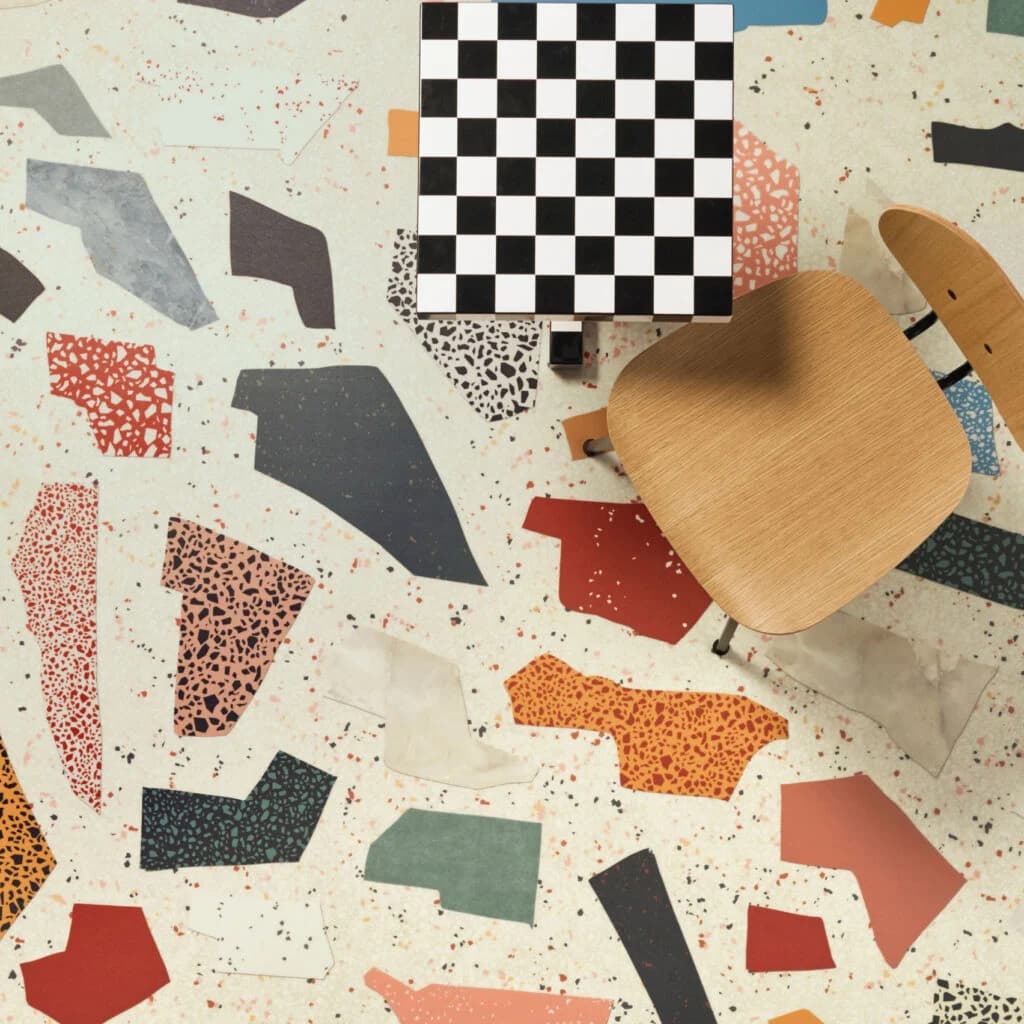
Custom Flooring: Crafting Identity in Confined Spaces
Forbo Flooring Systems introduces advanced customization, transforming floors into narrative canvases crucial for future off-world habitats.

Space Culture
Architectural Echoes: Chennai's Community Hub Points to Off-World Design
A new community center in Chennai, India, demonstrates how locally sourced materials and climate-responsive design can foster social connection—a blueprint for future off-world habitats.

Space Culture
From Waste to Sustenance: 3D-Printed Cookies for Deep Space
NASA-backed research explores transforming plastic and agricultural waste into edible, protein-rich food for future space missions.