Space Culture|Issue 04
From Waste to Sustenance: 3D-Printed Cookies for Deep Space
NASA-backed research explores transforming plastic and agricultural waste into edible, protein-rich food for future space missions.
- By
- ARTEMIS TOKYO Editors
- Dateline
- Carbondale, Illinois
- Date
- October 14, 2026
- Time
- 3 min read
Source
Dezeen
The challenge of sustenance in deep space is profound, demanding ingenuity beyond traditional provisions. Imagine a culinary landscape where ingredients are not grown but synthesized, where waste transforms into nourishment.
Researchers at Southern Illinois University Carbondale, with backing from NASA, have unveiled a novel approach: 3D-printed cookies named µBites. These "microbites" represent a significant step in developing sustainable food sources for extended missions.
The innovation lies in the use of yeast to convert plastic and agricultural waste into an edible, protein-rich food. This process addresses the critical need for resource efficiency in environments where resupply is impractical or impossible.
The project was developed under the NASA Deep Space Food Challenge, an initiative focused on creating resilient food systems for voyages far beyond Earth's orbit. The goal is to design sustenance that can be produced on-demand, minimizing bulk and maximizing nutritional value.
The cookies were created for and funded by the NASA Deep Space Food Challenge, which tasks researchers with designing food for the resource-limited.
For those establishing permanent off-world habitats, this technology suggests a future where the material economy is circular and self-sustaining. Waste plastic, often seen as a persistent problem, could become a valuable input for daily meals, altering the very texture of domestic life in a lunar or Martian settlement. The act of eating shifts from consumption of pre-packaged goods to a continuous, localized production cycle.
Related Reading
Space Culture
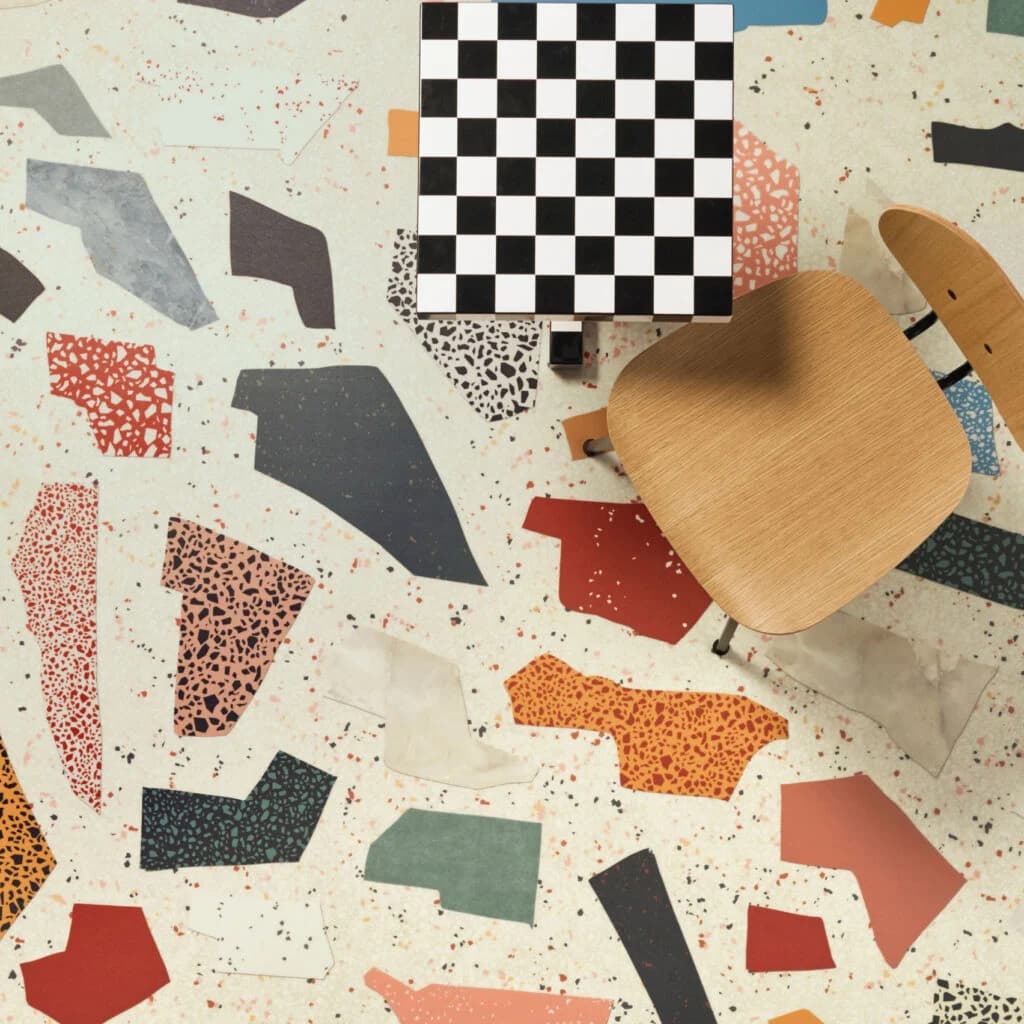
Custom Flooring: Crafting Identity in Confined Spaces
Forbo Flooring Systems introduces advanced customization, transforming floors into narrative canvases crucial for future off-world habitats.

Space Culture
Architectural Echoes: Chennai's Community Hub Points to Off-World Design
A new community center in Chennai, India, demonstrates how locally sourced materials and climate-responsive design can foster social connection—a blueprint for future off-world habitats.

Space Culture
Lunar Serenity: A New Approach to Off-World Living
AstroArc’s ‘Project Serenity’ redefines lunar habitats, blending engineering with human-centric design, drawing inspiration from traditional Japanese aesthetics.