Artemis Program|Issue 04
Lunar Foundations: Self-Healing Concrete for Future Habitats
A new material promises durable, low-maintenance structures on the Moon, shifting the calculus for long-term lunar settlement.
- By
- ARTEMIS TOKYO Editors
- Dateline
- WASHINGTON D.C.
- Date
- August 7, 2026
- Time
- 4 min read
Source
Space.com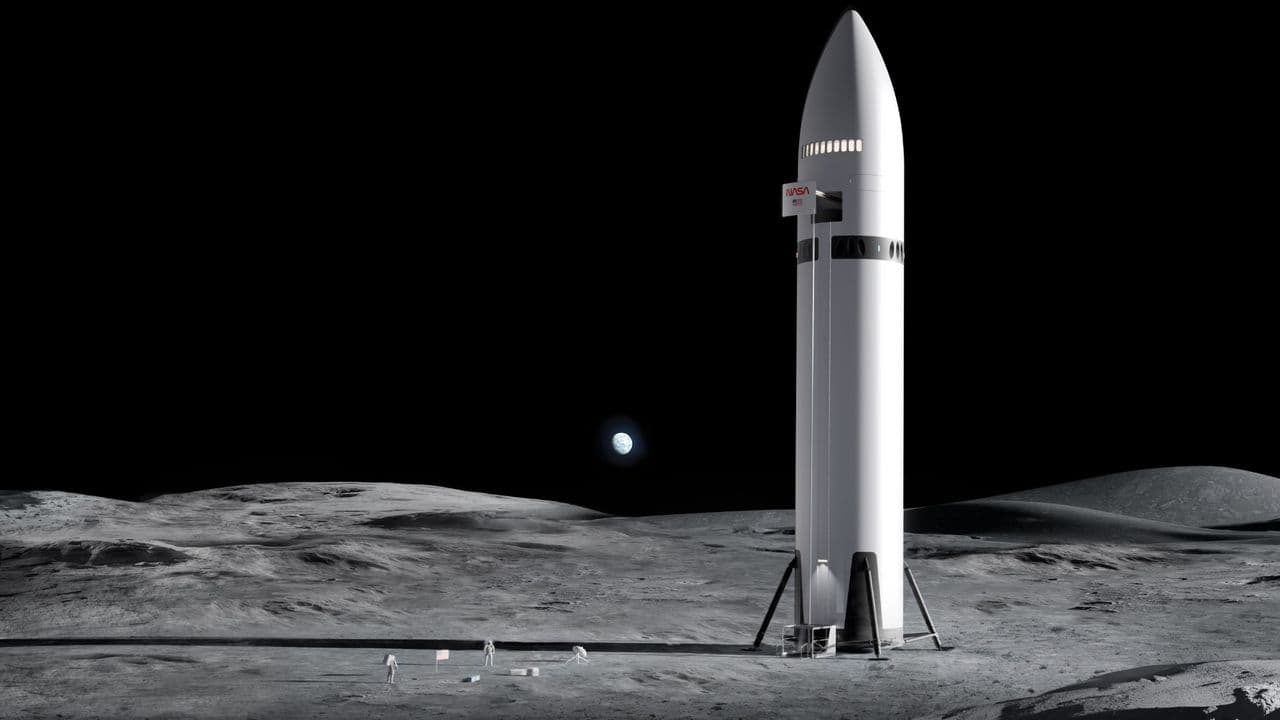
The prospect of permanent lunar habitation demands robust and resilient infrastructure. On the Moon, where extreme temperatures, radiation, and micrometeorite impacts pose constant threats, the integrity of any structure is continuously challenged. A new development in material science offers a potential solution to this fundamental engineering problem.
Researchers from NASA and the European Space Agency (ESA) have announced the successful ground testing of a novel "Regolith-Reinforced Self-Healing Concrete" (RRS-HC). This innovative composite integrates lunar regolith – the fine, abrasive dust covering the Moon's surface – with specialized binders designed to repair micro-fractures autonomously.
During simulated lunar conditions, which included vacuum, radiation exposure, and thermal cycling, test samples of RRS-HC demonstrated remarkable resilience. The material exhibited a 90% crack self-repair efficiency over a three-month period, significantly extending its structural lifespan compared to conventional materials. This inherent ability to mend itself reduces the need for frequent human intervention.
Current concepts for lunar habitats often rely on inflatable modules or rigid metallic structures that are susceptible to damage and require extensive, risky manual repairs. The advent of RRS-HC promises a paradigm shift, enabling the construction of more permanent and robust lunar bases, such as NASA's envisioned Artemis Base Camp near the Moon's South Pole.
The first deployment of this material is tentatively scheduled for an Artemis mission around 2029-2030, where it will be used in foundational elements and radiation shielding for early lunar outposts. Its application could drastically reduce the logistical burden of transporting repair materials from Earth, making lunar settlement more economically viable.
"This development marks a significant step towards autonomous lunar infrastructure, reducing reliance on costly and risky human maintenance."
The ability of structures to heal themselves under the unforgiving lunar sky is not merely an engineering feat; it is a profound alteration to the fabric of off-world life. Imagine a lunar home that silently mends itself while its inhabitants sleep, a constant, quiet act of resilience.
For those who will eventually live, work, and raise families on the Moon, this technology translates directly into enhanced safety, reduced anxiety, and a greater sense of permanence. It suggests a future where lunar habitats are not merely temporary shelters but enduring homes, their walls imbued with a silent, regenerative spirit.
Related Reading

Artemis Program
The Quiet Architects of Lunar Life: An Artemis Update
Behind the grand vision of lunar return, a dedicated few are meticulously crafting the infrastructure for sustained off-world habitation. Their work defines the texture of tomorrow’s lunar settlements.
Artemis Program
Starship SN20's High-Altitude Test Advances Lunar Ambitions
SpaceX's latest Starship prototype completes a crucial flight, validating key systems for future lunar and Martian missions under the Artemis program.

Artemis Program
Artemis III: Orion Modules Join for Lunar Journey
A critical assembly milestone for the Artemis III mission marks a tangible step towards humanity’s return to the lunar surface.