Artemis Program|Issue 04
Starship SN20's High-Altitude Test Advances Lunar Ambitions
SpaceX's latest Starship prototype completes a crucial flight, validating key systems for future lunar and Martian missions under the Artemis program.
- By
- ARTEMIS TOKYO Editors
- Dateline
- Boca Chica, Texas
- Date
- August 5, 2026
- Time
- 4 min read
Source
Space.com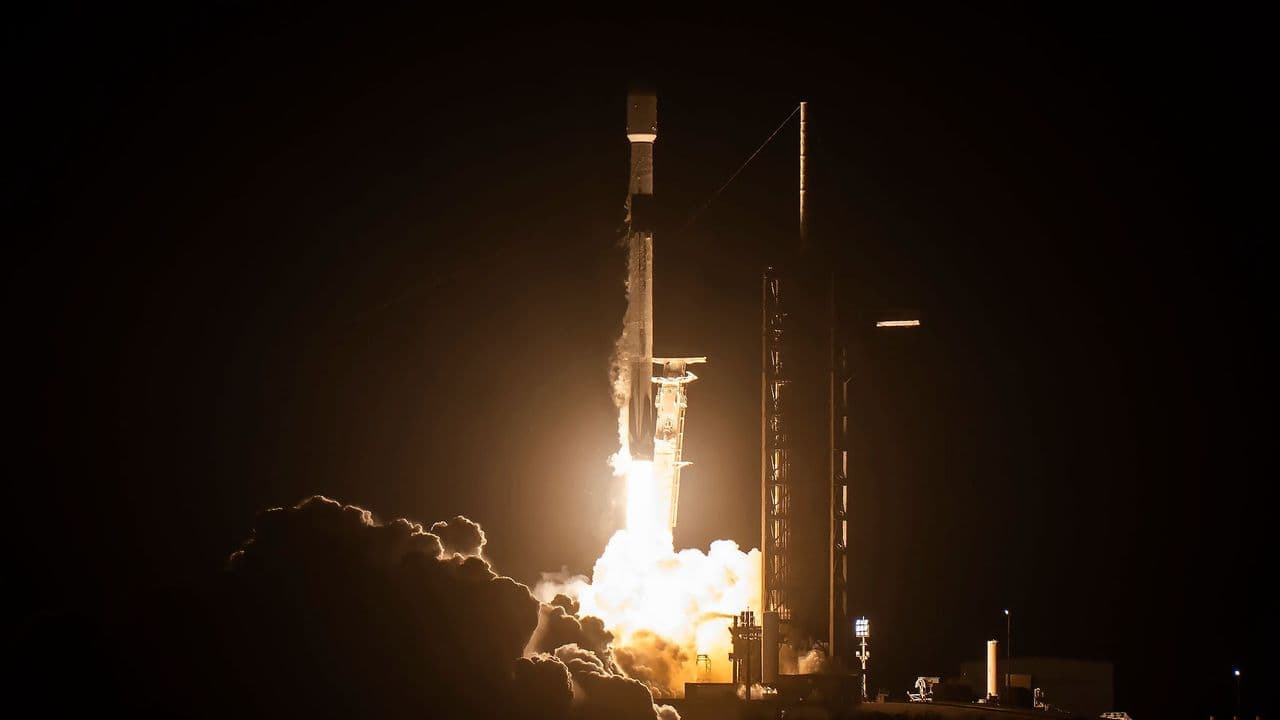
On August 5, 2026, from the coastal plains of Boca Chica, Texas, a significant flight test unfolded. SpaceX's Starship prototype, designated SN20, ascended skyward, marking a crucial step in the development of humanity's next heavy-lift vehicle.
The uncrewed vehicle reached an apogee of 12.5 kilometers. Following its climb, the Starship executed a controlled "belly-flop" maneuver, orienting itself horizontally before reigniting its Raptor engines for a precise vertical landing. This sequence validated key aerodynamic and propulsion systems essential for future lunar and Martian missions.
The test validated critical systems, including the Raptor engines' performance during ascent and the vehicle's unique belly-flop maneuver for descent.
This test builds upon a series of prior prototypes and tests, demonstrating the iterative development approach favored by the company. It moves Starship closer to integrated orbital flights with its Super Heavy booster, which together aim to deliver over 100 metric tons of payload to Low Earth Orbit. Such capacity redefines the scale of potential off-world infrastructure.
Starship is not merely a launch vehicle; it is designated as the Human Landing System (HLS) for NASA's Artemis program. Its ability to transport large crews and significant cargo directly to the lunar surface is central to establishing a sustained human presence on the Moon.
Projections from SpaceX indicate an uncrewed lunar landing could occur by 2029, with crewed missions potentially following by 2030. This timeline accelerates the prospect of permanent lunar bases, requiring new considerations for habitat design, resource utilization, and daily life routines beyond Earth.
For those who will eventually reside on the Moon, a vehicle of Starship's scale means more than just transport. It implies larger, more comfortable living spaces, greater access to Earth-like amenities, and the potential for a more robust economy driven by lunar resource extraction and tourism. The feeling of distance from Earth may lessen, replaced by a growing sense of a new, if stark, home.
Related Reading

Artemis Program
Artemis III: Orion Modules Join for Lunar Journey
A critical assembly milestone for the Artemis III mission marks a tangible step towards humanity’s return to the lunar surface.

Artemis Program
Observing Lunar Impacts: A New Era of Orbital Stewardship
NASA's plan to observe a rocket part's lunar impact signals a growing imperative for understanding and managing human activity on and around the Moon, foreshadowing a future where lunar debris is a managed resource for scientific study rather than an uncontrolled hazard.

Artemis Program
Lunar Compass: NASA's Navigation System for a Commercial Moon
NASA prepares to deliver a critical navigation system, laying essential groundwork for a sustained commercial presence on the Moon and shaping the future of off-world operations.