Artemis Program|Issue 04
Lunar Dwellings: A New Era for Off-World Living Takes Shape
A new modular lunar habitat design, developed by a European consortium with NASA and JAXA, emphasizes psychological well-being and resource utilization for extended stays, hinting at a future where lunar settlements become true homes.
- By
- ARTEMIS TOKYO Editors
- Dateline
- Cologne, August 8, 2026
- Date
- August 8, 2026
- Time
- 5 min read
Source
Space.com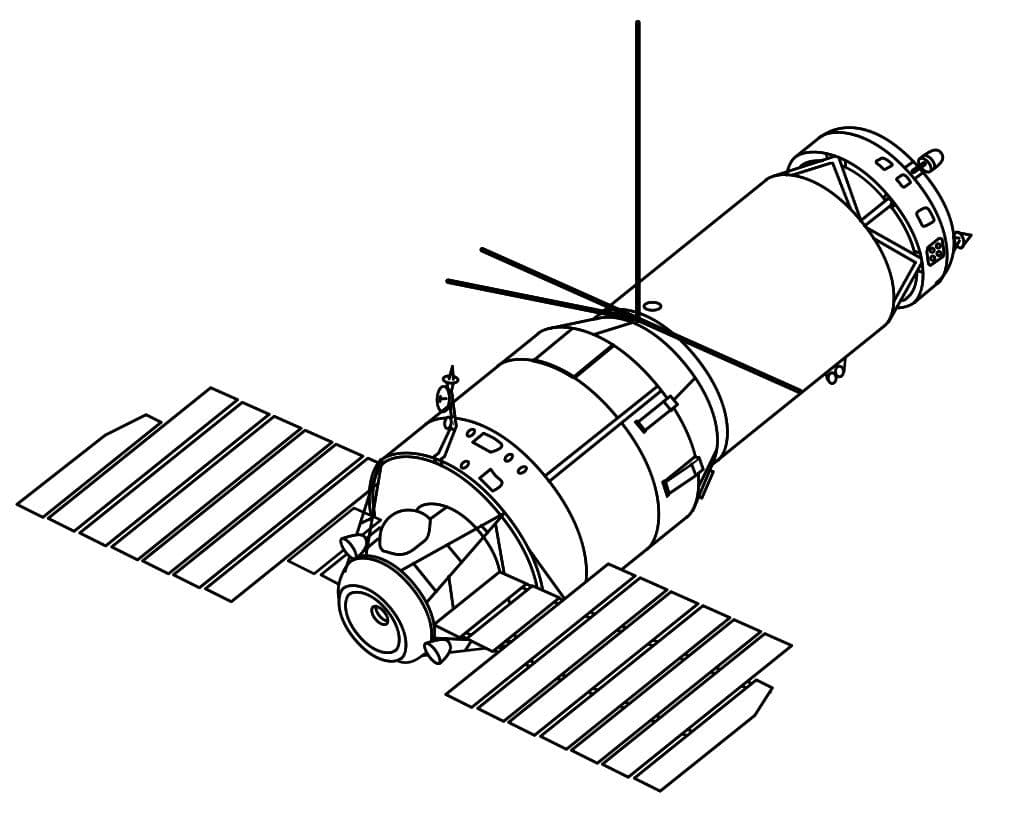
The vision of permanent human presence beyond Earth takes another concrete step forward. A new modular habitat design, unveiled recently, offers a glimpse into the domestic realities awaiting lunar pioneers.
Led by the European consortium LunarHab Innovations, in partnership with NASA and JAXA, the "Artemis Dwelling Unit" (ADU) was presented on August 8, 2026. This collaborative effort aims to establish sustainable living quarters on the Moon.
Designed for deployment in the challenging lunar south pole region, the ADU prioritizes radiation shielding and resource utilization. Each module, measuring 4 meters in diameter and 6 meters in length, is intended to house a crew of four for durations up to six months. Its structure incorporates a shell of regolith-derived concrete, leveraging local lunar materials for protection.
The design moves beyond the purely utilitarian confines of early lunar missions. Unlike the cramped Apollo landers, which supported stays of only a few days, the ADU emphasizes adaptable internal spaces, including integrated hydroponics and advanced closed-loop life support systems.
Anticipating the psychological demands of extended isolation, the ADU features flexible partitions and configurable living zones. The texture of its interior surfaces, designed to mimic natural rock formations, aims to provide a subtle connection to terrestrial environments, a small comfort in an alien world.
"The focus is on creating not just a shelter, but a home."
This shift reflects a growing understanding that long-term off-world living requires more than just survival — it demands spaces that nurture well-being. For those who will eventually live and work on the Moon, these designs signal a future where personal comfort and psychological resilience are as critical as engineering robustness. The architecture of off-world settlements will evolve to support not just tasks, but lives, offering spaces for both solitude and community, transforming the lunar surface into a viable address.
Related Reading

Artemis Program
Gateway's Shifting Purpose: A Foundation for Lunar Life
Northrop Grumman and the Canadian Space Agency are reorienting their contributions to NASA's lunar Gateway, adapting designs for a future permanent lunar base. This pivot signals an evolving vision for sustained off-world presence.

Artemis Program
Lunar Foundations: Self-Healing Concrete for Future Habitats
A new material promises durable, low-maintenance structures on the Moon, shifting the calculus for long-term lunar settlement.

Artemis Program
The Quiet Architects of Lunar Life: An Artemis Update
Behind the grand vision of lunar return, a dedicated few are meticulously crafting the infrastructure for sustained off-world habitation. Their work defines the texture of tomorrow’s lunar settlements.