Space Tech|Issue 04
Axiom's AxH2 Module Redefines Orbital Living with Focus on Privacy
New structural tests pave the way for a commercial space station module designed for extended comfort, shifting orbital habitats from utilitarian labs to adaptable homes.
- By
- ARTEMIS TOKYO Editors
- Dateline
- Tokyo
- Date
- July 26, 2026
- Time
- 5 min read
Source
Space.com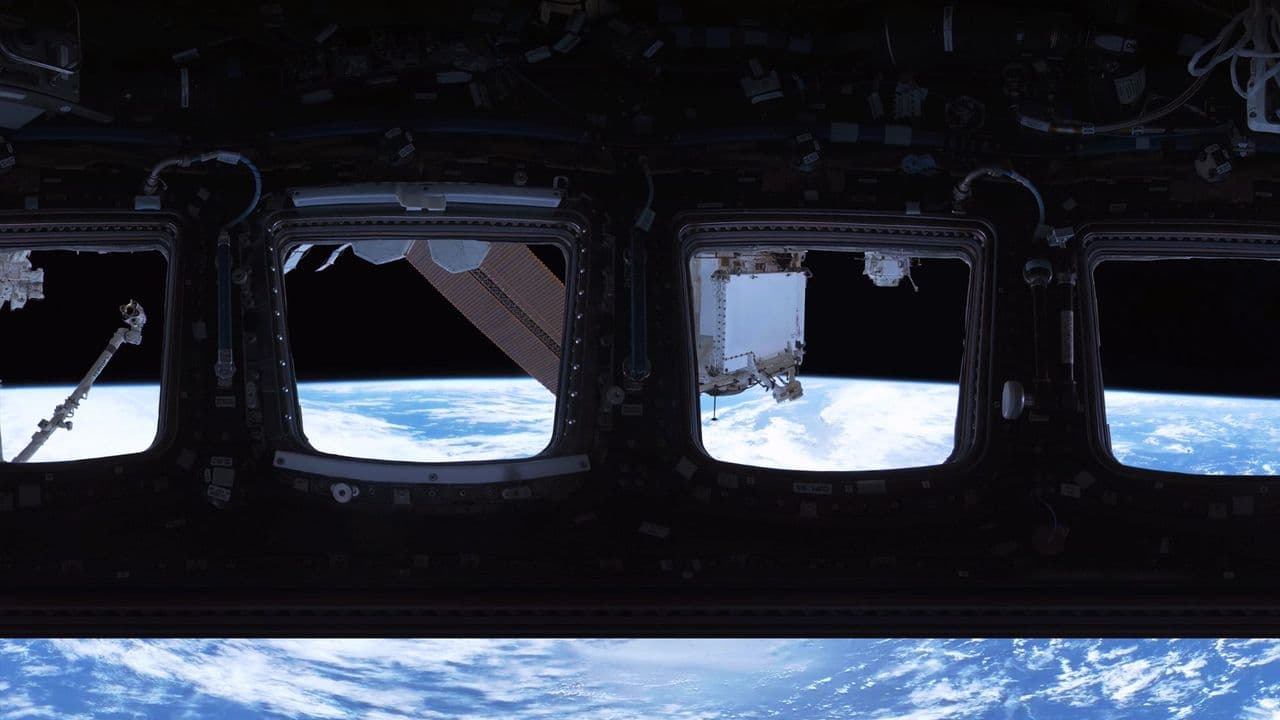
The vision of permanent human presence beyond Earth took another concrete step forward this week. Axiom Space announced the successful completion of critical structural integrity tests for its second commercial space station module, AxH2, poised to redefine orbital living. This milestone moves the concept of space habitats away from purely functional laboratories towards environments designed for long-term human comfort.
Scheduled for launch in late 2027, the AxH2 module is engineered to accommodate up to four astronauts for missions extending beyond six months. Its design philosophy marks a deliberate departure from the austere, often cramped conditions of earlier orbital outposts. The module aims to foster a sense of normalcy and well-being crucial for inhabitants enduring extended periods in microgravity.
A core innovation lies in its internal architecture, which prioritizes individual privacy and adaptable living spaces. Unlike the open-plan, shared quarters typical of modules like the International Space Station, AxH2 features configurable partitions and personal nooks. This allows crew members distinct areas for work, rest, and personal reflection, mitigating the psychological stresses of close confinement.
The goal is to create spaces that feel less like a temporary outpost and more like a permanent residence, the original report noted.
Material choices also reflect this shift, with soft-touch acoustic panels and dynamic lighting systems replacing the harsher, industrial aesthetics of previous generations. These elements are chosen to reduce ambient noise and simulate natural light cycles, enhancing crew mood and circadian rhythms. The successful completion of these structural tests ensures the module's resilience against the vacuum of space and the stresses of launch. It confirms the integrity of its pressure vessel and docking mechanisms, essential for its integration into the growing Axiom Station. This engineering validation underpins the ambitious cultural shift the company is attempting to introduce.
For those who will eventually live and work off-world, modules like AxH2 represent a crucial evolution. The move from purely utilitarian design to one that considers psychological well-being and personal space suggests a maturing understanding of human needs beyond Earth. Future off-world settlements, whether in orbit or on lunar surfaces, will increasingly incorporate such human-centric design principles, making extended stays not just possible, but genuinely habitable.
Related Reading

Space Tech
Terrestrial Resilience: Spanish Ground Stations Navigate Wildfire Threat
Critical ground infrastructure for NASA and ESA missions in Spain narrowly avoided significant damage from widespread wildfires, highlighting the vulnerabilities of Earth-bound space operations in an era of environmental volatility.

Space Tech
Starship Eyes Tower Catch After Thirteenth Flight Success
SpaceX's Starship program advances towards its ambitious tower catch maneuver, a critical step for routine, fully reusable spaceflight. The implications for off-world habitation and logistics are profound.
Space Tech
Adaptive Interiors: The Next Generation of Orbital Living
A new habitat module design promises reconfigurable living spaces, signaling a shift towards domesticity and personalization in off-world architecture.