Space Tech|Issue 04
Aether-1 Propulsion System: Redefining Deep-Space Transit
A new electric propulsion system promises to significantly cut transit times for lunar and Martian missions, reshaping the logistics of off-world expansion.
- By
- ARTEMIS TOKYO Editors
- Dateline
- CLEVELAND
- Date
- August 1, 2026
- Time
- 4 min read
Source
Space.com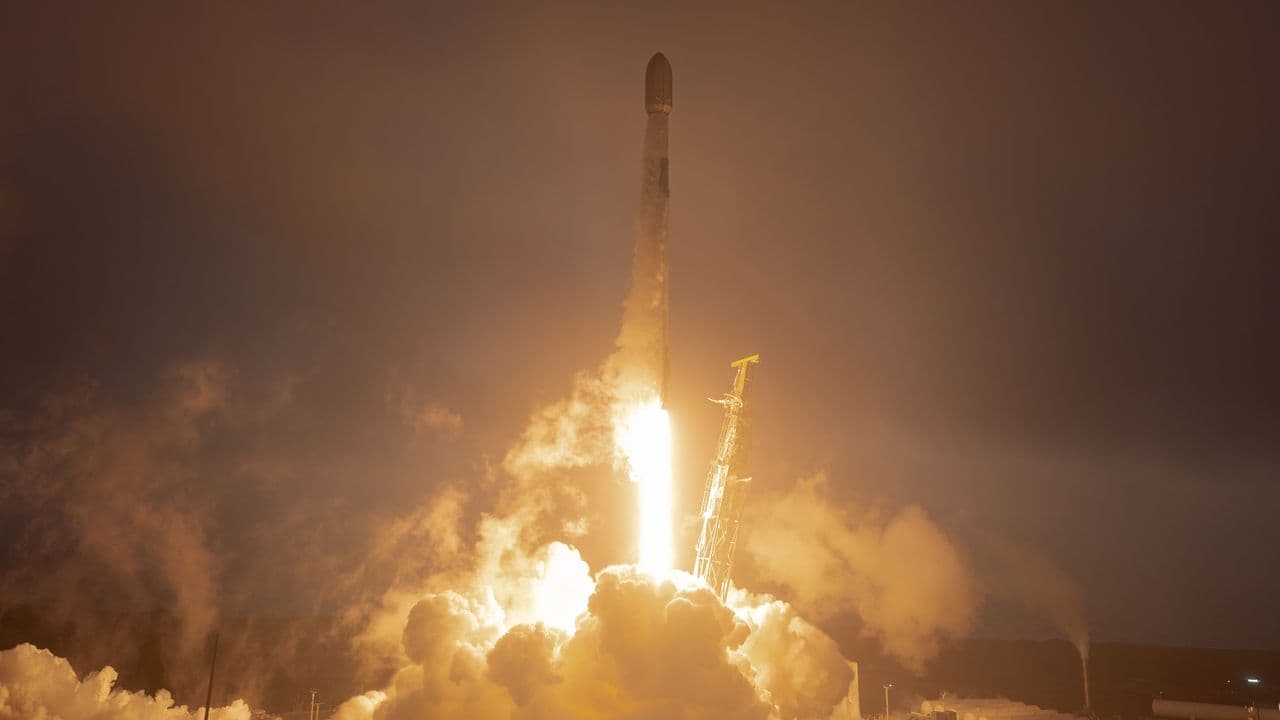
The vastness of space has always been defined by the time it takes to traverse it. Distances to the Moon and Mars, while measured in light-seconds and light-minutes, translate to months or even years for human-made craft. This inherent challenge has driven continuous innovation in propulsion technology.
A significant step forward was recently announced by StellarDrive Corp., in partnership with NASA, following the successful ground test of their "Aether-1" propulsion system. The critical test was completed on July 28, 2026, at NASA's Glenn Research Center in Cleveland, Ohio, marking a new benchmark for electric propulsion.
The Aether-1 system, designed for future lunar cargo transport and Mars precursor missions, demonstrated a remarkable leap in efficiency. It achieved a 50% greater thrust-to-power ratio compared to current Hall thrusters, which are commonly used on commercial satellites. This enhanced performance translates directly into faster transit times.
Specifically, the developers project that missions employing the Aether-1 system could reduce the journey to Mars by as much as three months. This efficiency gain is not merely a matter of speed; it lessens the exposure of payloads and crews to the harsh radiation environment of deep space, while also lowering overall mission costs by reducing fuel mass.
"This breakthrough fundamentally redefines our approach to deep-space logistics."
The quiet hum of the Aether-1 system, powered by xenon plasma, offers a glimpse into a future where distances might feel less absolute. It suggests a future where the solar system's inner reaches become more accessible, not just for scientific exploration, but for sustained human presence.
For those who will one day live and work off-world, such advancements mean more reliable supply lines and a diminished sense of isolation. Faster transit implies quicker delivery of essential goods, spare parts, and even personnel, fostering a more robust and responsive off-world economy. The very fabric of daily life beyond Earth will be shaped by these incremental gains in efficiency.
Related Reading

Space Tech
K2 Space Secures Space Force Contract for Orbital Laser Communications
The U.S. Space Force awards K2 Space a $22.9 million contract to demonstrate high-speed, secure optical data links between satellites, signaling a shift in orbital communication infrastructure.
Space Tech
Orbital Rescue: The Mission to Save the Savior Satellite
Engineers are devising an unprecedented plan to recover a servicing satellite that itself encountered operational difficulties, highlighting the intricate challenges of maintaining space infrastructure.

Space Tech
Electric Propulsion Breakthrough Signals New Era for Orbital Logistics
A private firm's successful test of an advanced electric propulsion system promises to redefine the economics of space deployment and lunar transport.