Space Tech|Issue 04
The Quiet Ascent of Orbital Strategy
A recent US military exercise in space, largely unnoticed, signals a deepening focus on orbital resilience and the subtle assertion of presence in the cosmic commons.
- By
- ARTEMIS TOKYO Editors
- Dateline
- TOKYO, June 24, 2026
- Date
- June 22, 2026
- Time
- 4 min read
Source
Ars Technica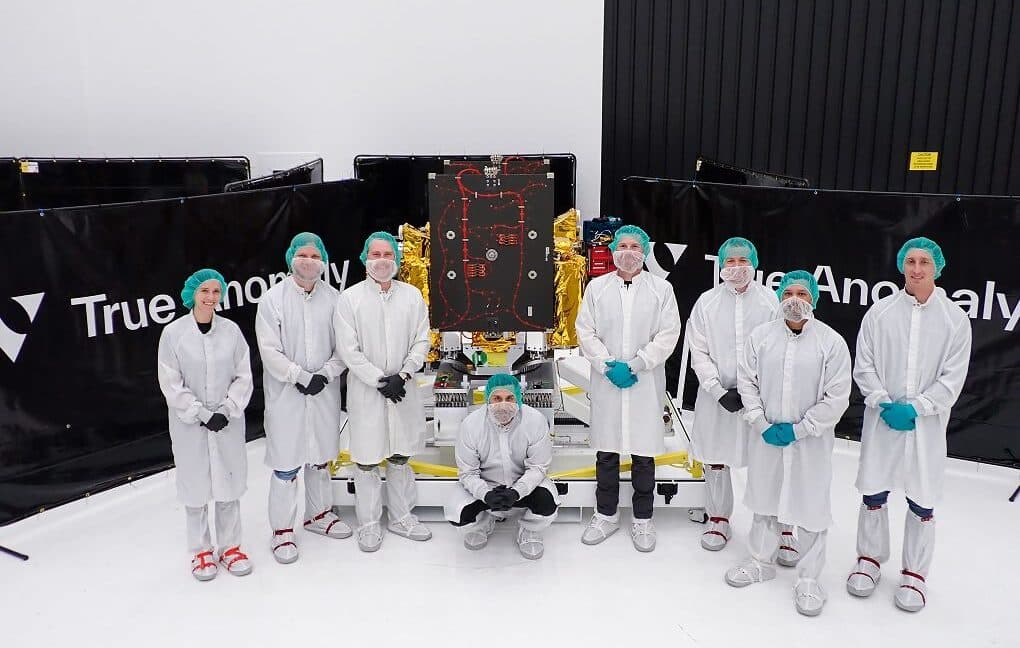
In the vast, silent arena above Earth, a significant military exercise recently concluded with little public fanfare. The United States Space Force conducted a series of orbital maneuvers and simulated response protocols, an operation known as "Orbital Sentinel," on June 22, 2026.
This low-profile engagement involved the synchronous maneuvering of seven distinct orbital assets, testing their autonomy and communication links under simulated threat conditions. The exercise aimed to refine defensive strategies and ensure the uninterrupted functionality of critical space-based infrastructure.
The scope of Orbital Sentinel reached a scale not seen since the classified "Celestial Watch" drills of the late 2010s, underscoring a persistent evolution in space-based defense. These operations are designed to anticipate and mitigate challenges ranging from debris collisions to adversarial interference.
"The quiet nature of the exercise belied its strategic significance, revealing a new layer of preparedness."
Such exercises serve as a crucial barometer for the evolving dynamics of space as a domain of national security. They demonstrate capabilities without overt aggression, yet they project a clear message about a nation's ability to protect its assets and interests beyond the atmosphere.
In the silent expanse above, the lines between observation and assertion grow increasingly fine. For those who envision a future where daily life extends into orbit, these developments introduce a new layer of consideration: the invisible architecture of security that will underpin every habitat, every trade route, and every nascent community. The freedom of movement and the cost of doing business off-world will inevitably be shaped by the strategic postures taken today.
This quiet ascent of strategic operations implies a future where orbital pathways are not merely lanes for transit, but zones of carefully managed influence. Every planned lunar habitat or Martian outpost will operate within a framework of established orbital security, impacting everything from insurance premiums for space-based infrastructure to the very design of resilient, self-sufficient off-world settlements.
Related Reading

Space Tech
The Gilded Age of Orbit: Musk's Union Pacific Analogy for SpaceX
Elon Musk's recent comparison of SpaceX to the historic Union Pacific railway evokes a complex legacy of pioneering infrastructure — and the ethical shadows that can accompany rapid expansion.

Space Tech
Quantum Imperative: White House Directs NASA Towards Next-Gen Space Capabilities
A new executive order mandates NASA to accelerate the integration of quantum technologies for advanced navigation, sensing, and secure communications in space.

Space Tech
Orbital Comfort: Redefining Space Habitats with Bio-Engineered Interiors
A new inflatable module moves beyond utilitarian design, integrating advanced materials to create terrestrial sensory experiences in orbit.