Space Tech|Issue 04
The Crowded Gates of Orbit: NASA Warns of Launch Site Strain
An internal report by NASA’s Inspector General highlights growing capacity issues at major U.S. spaceports, signaling potential bottlenecks for the accelerating pace of space operations.
- By
- ARTEMIS TOKYO Editors
- Dateline
- WASHINGTON D.C.
- Date
- June 23, 2026
- Time
- 5 min read
Source
SpaceNews
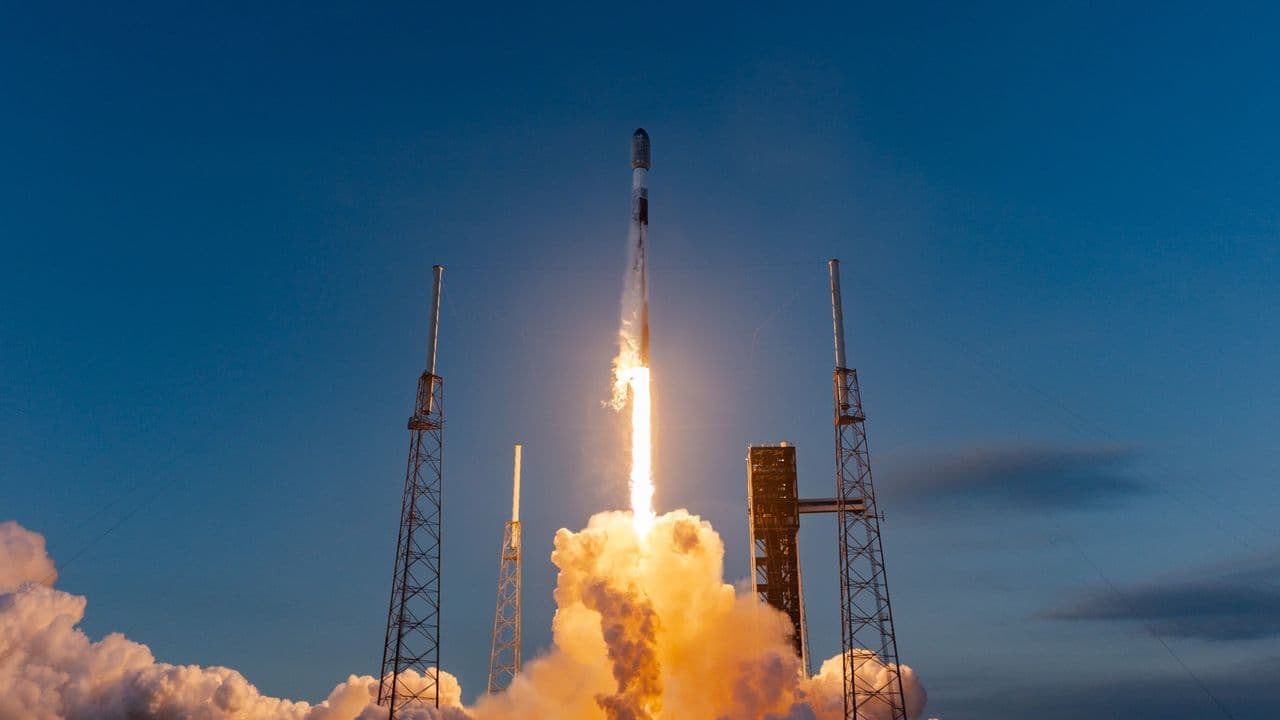
The rhythm of launches from Florida’s Space Coast has intensified, with rockets now ascending into orbit at an unprecedented cadence. What was once an occasional spectacle has become a regular occurrence, transforming the landscape of Kennedy Space Center and Cape Canaveral Space Force Station into a bustling hub of activity.
This surge in operations, driven by both government and commercial ventures, has brought with it a new set of challenges. A recent report from NASA’s Inspector General (IG) outlines significant concerns regarding the capacity of existing launch infrastructure.
The report details how the increased frequency of launches is straining various critical resources. These include everything from vehicle processing facilities and propellant storage to range safety operations and the limited availability of launch pads themselves. Each mission requires meticulous preparation, and the turnaround time between launches is shrinking.
Such constraints are not merely logistical inconveniences. They pose a tangible threat to the ambitious timelines set for lunar missions, orbital deployments, and the burgeoning commercial space economy. The sky, once an empty canvas, now demands a more intricate choreography.
The increasing number of launches is posing problems to spaceports.
The Inspector General’s findings underscore a fundamental tension: the desire for rapid expansion into space versus the physical limitations of the ground-based infrastructure supporting it. Without significant investment in upgrades or the development of new facilities, the pace of orbital access could be artificially capped.
For those envisioning a future off-world, whether working on a lunar base or living in an orbital habitat, this report carries a direct implication. Limited launch capacity translates to higher costs for transporting materials, equipment, and personnel. It means longer waits for essential supplies and slower progress in establishing permanent extraterrestrial settlements, making the dream of a multi-planetary existence a more expensive and protracted endeavor than anticipated.
Related Reading
Space Tech
Orbital Living Takes Shape: Starlab Nears Critical Design Review
The Starlab commercial space station, a collaboration between Voyager Space and Airbus, is progressing towards its 2028 launch, promising a new era for human presence in low Earth orbit with an emphasis on habitability.

Space Tech
SpaceX Valuation: A Future Recalibration
A speculative report from Futurism suggests a potential re-evaluation of private space industry giants, prompting a look at the financial gravity shaping off-world ambitions.
Space Tech
Starfall: SpaceX Charts a New Course for Global Cargo
SpaceX's "Starfall" initiative proposes a revolutionary orbital logistics network, promising to redefine global cargo delivery with unprecedented speed and reach.