Space Tech|Issue 04
The Crescent Lander and the Architecture of Lunar Permanence
A new lunar lander design promises expanded payload capacity and reduced operational costs, pointing towards a future where off-world habitats are not merely temporary outposts, but true extensions of human endeavor.
- By
- ARTEMIS TOKYO Editors
- Dateline
- TOKYO, JAPAN — November 1, 2026
- Date
- November 1, 2026
- Time
- 5 min read
Source
Space.com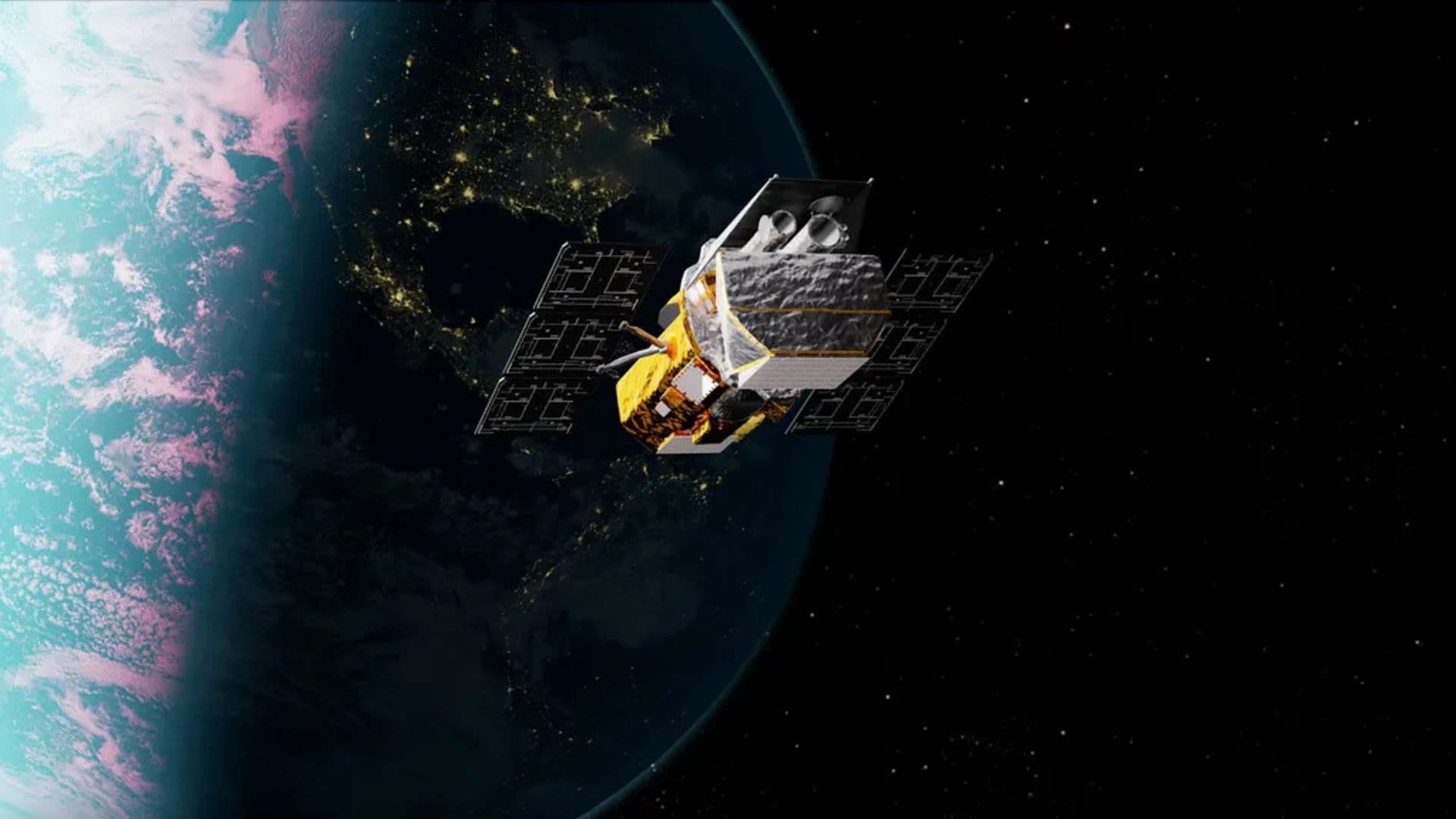
The vast, silent expanse of the lunar south pole, once a distant scientific curiosity, is steadily transforming into a stage for human ambition. The latest stride in this direction comes from Lunar Ascent Inc., a private aerospace firm, which recently unveiled the design for its next-generation lunar lander.
Named the "Crescent Lander," the vehicle is engineered to deliver substantial payloads to the lunar surface with unprecedented efficiency. This development marks a significant pivot from the transient missions of the past, suggesting a future of more sustained off-world operations.
Central to the Crescent Lander's capabilities is its impressive payload capacity, rated at five metric tons. Its modular design allows for the integration of up to three habitation modules or a variety of scientific equipment, offering flexibility for diverse mission profiles, from research outposts to foundational infrastructure.
Lunar Ascent Inc. has outlined an aggressive timeline for the new vehicle. An uncrewed test flight is targeted for late 2026, with crewed missions slated to commence as early as 2028. These milestones underscore the accelerating pace of private sector involvement in lunar exploration.
Economically, the Crescent Lander aims to redefine the cost structure of lunar access. The original report highlights a "30% reduction in cost per kilogram to the lunar surface." This efficiency gain, coupled with the lander's emphasis on reusability, promises to make lunar operations more financially viable for a broader range of enterprises.
This approach stands in stark contrast to the singular, high-stakes missions of the Apollo era, which prioritized national prestige over economic sustainability. Even compared to earlier commercial lunar attempts, the Crescent Lander represents a material shift in design philosophy, focusing on long-term presence over short-term visits.
The implications extend beyond mere engineering. With increased payload capacity and reduced costs, the prospect of constructing more robust, permanent lunar habitats becomes tangible. The smooth, matte finish of a 3D-printed regolith brick, once a speculative concept, now feels closer to being a foundational element of a lunar home.
For those who will eventually live, work, and build families off-world, this means a transition from merely surviving in cramped capsules to establishing genuine settlements. The Crescent Lander is not just a vehicle; it is a critical piece of infrastructure for the nascent architecture of lunar permanence, enabling the creation of spaces where life can truly unfold beyond Earth.
Related Reading

Space Tech
The Lunar Far Side: From Scientific Frontier to Warfighting Domain
The US Space Force declares the Moon's remote hemisphere a strategic military zone, signaling a new era of cislunar competition and its implications for future off-world settlement.

Space Tech
Orbital Matter: The First Beam in the Void
A new chapter in space construction begins as Orbital Matter successfully 3D-prints a rigid beam in the vacuum of space, paving the way for on-demand orbital infrastructure.

Space Tech
European Alliance Forges Compact Dual-Use Satellite Solution
Belgium's Simera Sense and the Czech Republic's Spacemanic collaborate to offer an integrated, versatile satellite platform, challenging the dominance of larger systems.