Research|Issue 04
NASA's PRIMA: Accelerating the Cosmos
NASA aims to construct a billion-dollar space telescope in record time, setting a new precedent for complex scientific instrument development and deployment.
- By
- ARTEMIS TOKYO Editors
- Dateline
- Washington D.C.
- Date
- September 25, 2026
- Time
- 5 min read
Source
Ars Technica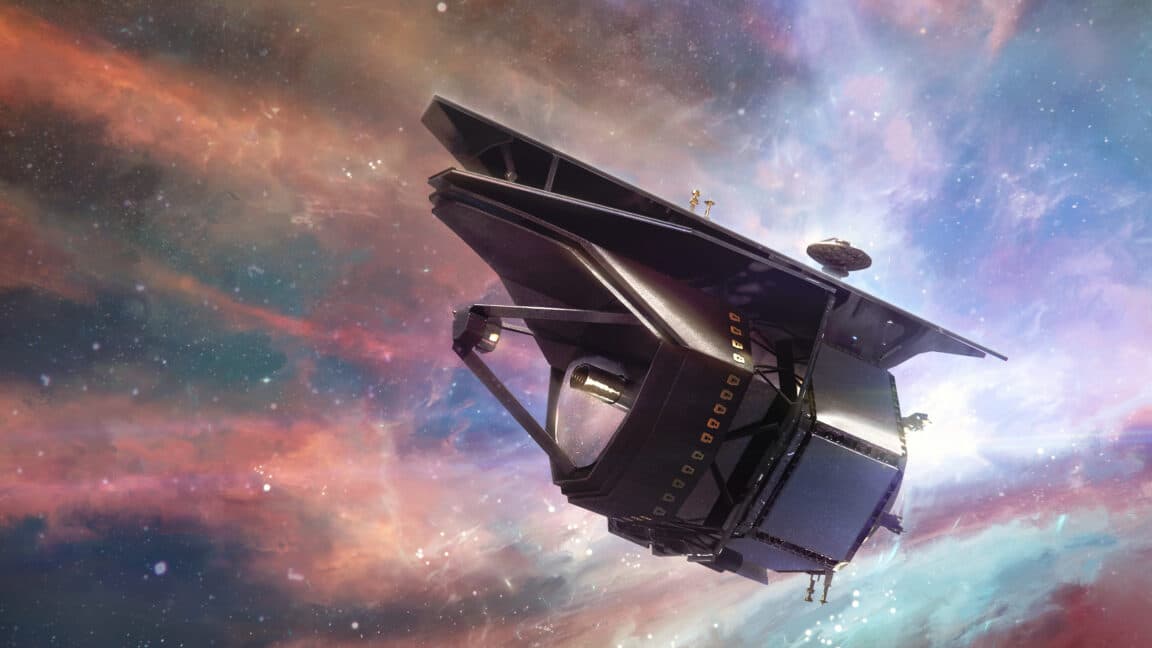
The vastness of space continues to call for ever more sophisticated instruments. NASA's latest endeavor, the PRIMA telescope, represents a significant shift in the approach to building these complex scientific assets.
Traditionally, large-scale space observatories demand decades of development, from initial concept to operational deployment. PRIMA, however, is being conceived with an aggressive timeline, aiming to deliver a billion-dollar instrument in what is described as record time.
This accelerated pace challenges established norms of aerospace engineering and project management. It suggests a future where the lead time for critical space infrastructure, be it for scientific discovery or commercial enterprise, could be dramatically reduced.
The ambition is not merely to build another telescope, but to prove that high-value, high-precision instruments can be brought online with unprecedented efficiency. This would free up resources and accelerate the cadence of scientific exploration.
"The goal is to demonstrate a new paradigm for rapid, cost-effective deployment of advanced space assets."
Such a capability has profound implications beyond astronomy. For those establishing permanent presences off-world, the ability to rapidly design, manufacture, and deploy complex systems — from power grids to atmospheric processors — will be paramount.
The lessons learned from PRIMA's expedited development could directly inform the construction of lunar bases or Martian outposts. It points to a future where the timeline for building and expanding off-world habitats is measured in years, not decades, making life and work beyond Earth a more immediate reality.
Related Reading

Space Tech
SpaceX Prepares for Defining Orbital Test
The upcoming orbital test flight of SpaceX's next-generation heavy-lift vehicle carries significant implications for future space operations and off-world habitation.

Space Tech
ESA's Aeolus-2 Completes Critical Testing for Wind Mapping
The European Space Agency announces a significant milestone for its next-generation wind-profiling satellite, promising enhanced climate models and weather prediction capabilities.

Space Tech
Consolidation in Orbit: Rocket Lab's Strategic Expansion
Rocket Lab's acquisition of Iridium signals a growing trend of market consolidation in the commercial space sector, reshaping the landscape of integrated services.