Space Tech|Issue 04
Lunar Logistics Corporation's Cargo Hopper Sets Stage for Heavier Lunar Deliveries
A successful engine test for a new lunar lander promises increased payload capacity and reduced costs, reshaping the future of off-world habitation and commerce.
- By
- ARTEMIS TOKYO Editors
- Dateline
- Tokyo
- Date
- November 4, 2026
- Time
- 5 min read
Source
Space.com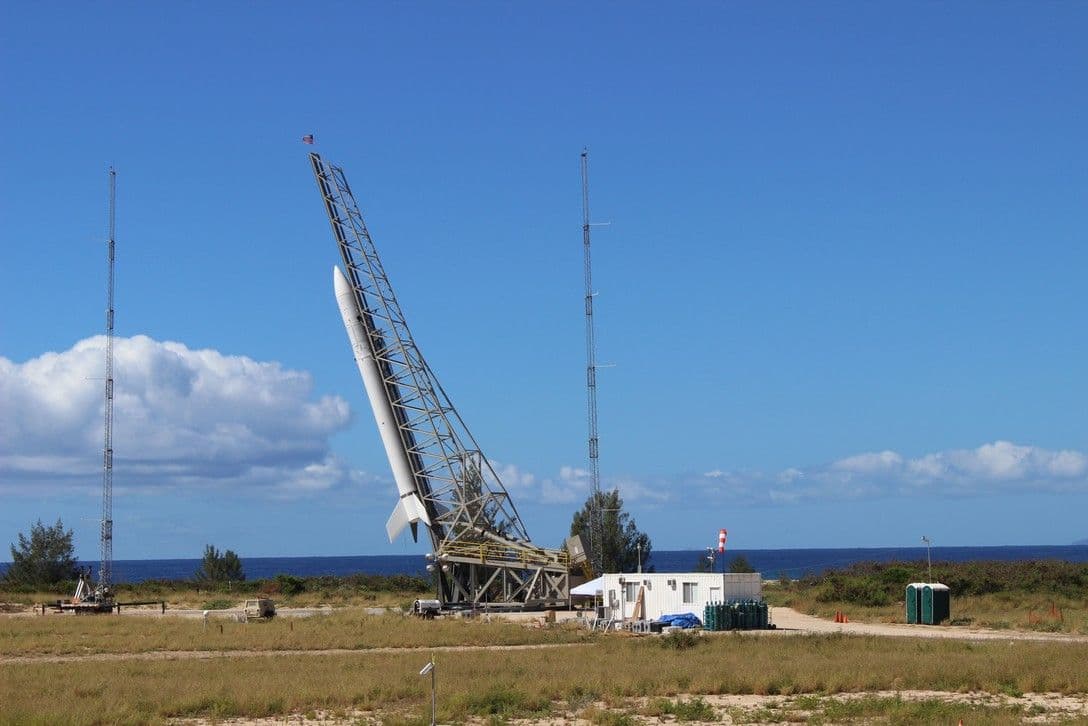
The high desert of California recently bore witness to a crucial step in lunar logistics. Under a sky that often mirrors the desolation of the Moon itself, Lunar Logistics Corporation successfully completed a static hot-fire test of its "Cargo Hopper" lander. This event marks a significant stride toward a future where regular, heavy-lift deliveries to the lunar surface become routine.
The test, conducted in late October, validated the integrated descent system and primary engine performance for the Cargo Hopper. Engineers monitored thrust profiles and fuel consumption, confirming the vehicle's readiness for its inaugural mission. This careful validation process underscores the meticulous engineering required for off-world operations.
Scheduled for a Q2 2027 launch, the Cargo Hopper is designed to transport up to 500 kilograms of payload to the lunar south pole. Its primary target is the Malapert Massif, a region identified as critical for potential water ice resources and future human settlements. This mission aims to support the burgeoning infrastructure needs of lunar exploration.
A key differentiator for the Cargo Hopper is its projected operational efficiency. The company anticipates a 15% reduction in cost per kilogram to the lunar surface compared to current commercial offerings. This economic advantage could reshape the viability of various lunar ventures, from scientific research to resource extraction.
"The successful test confirms our path to more affordable and frequent lunar access."
Unlike the bespoke, single-use landers of the Apollo era, the Cargo Hopper is envisioned for multiple deployments, offering a more sustainable model for lunar supply chains. This iterative approach allows for continuous refinement and cost optimization, moving beyond the 'one-off' expeditions of the past.
For those contemplating life beyond Earth, such advancements carry profound implications. A reliable and cost-effective delivery system for 500 kilograms means more than just scientific instruments or life support consumables. It means the possibility of larger, more resilient habitats, the transport of specialized tools for off-world manufacturing, or even personal items that transform a stark module into a genuine home. The architecture of lunar living begins to evolve, driven by the steady rhythm of cargo shipments.
Related Reading

Space Tech
Redwire Secures DARPA Contract for VLEO Demonstration
DARPA's $20 million contract with Redwire signals continued investment in very low Earth orbit (VLEO) technologies, promising a new frontier for satellite operations and Earth observation.

Space Tech
LunarForge Accelerates Off-World Construction with RapidFab System
A new regolith 3D printing system promises to transform lunar habitat construction, enabling faster, more personalized off-world living spaces.

Space Tech
Orbital Matter and EnduroSat Partner for In-Space Solar Array Manufacturing
A 2028 mission aims to demonstrate 3D printing of a 5 kW solar array in orbit, signaling a shift towards autonomous space infrastructure.