Space Tech|Issue 04
DeepDrive Engine Promises Shorter Martian Journeys, Reshaping Off-World Life
A new ion propulsion system from Aether Dynamics could cut transit times to Mars by two-thirds, fundamentally altering the economics and human experience of interplanetary travel.
- By
- ARTEMIS TOKYO Editors
- Dateline
- HOUSTON, TEXAS
- Date
- September 12, 2026
- Time
- 4 min read
Source
Space.com
The vast distances of space have long dictated the pace of human ambition beyond Earth. Journeys to Mars, currently measured in many months, impose significant logistical and psychological burdens, shaping every aspect of mission planning and the very concept of off-world settlement.
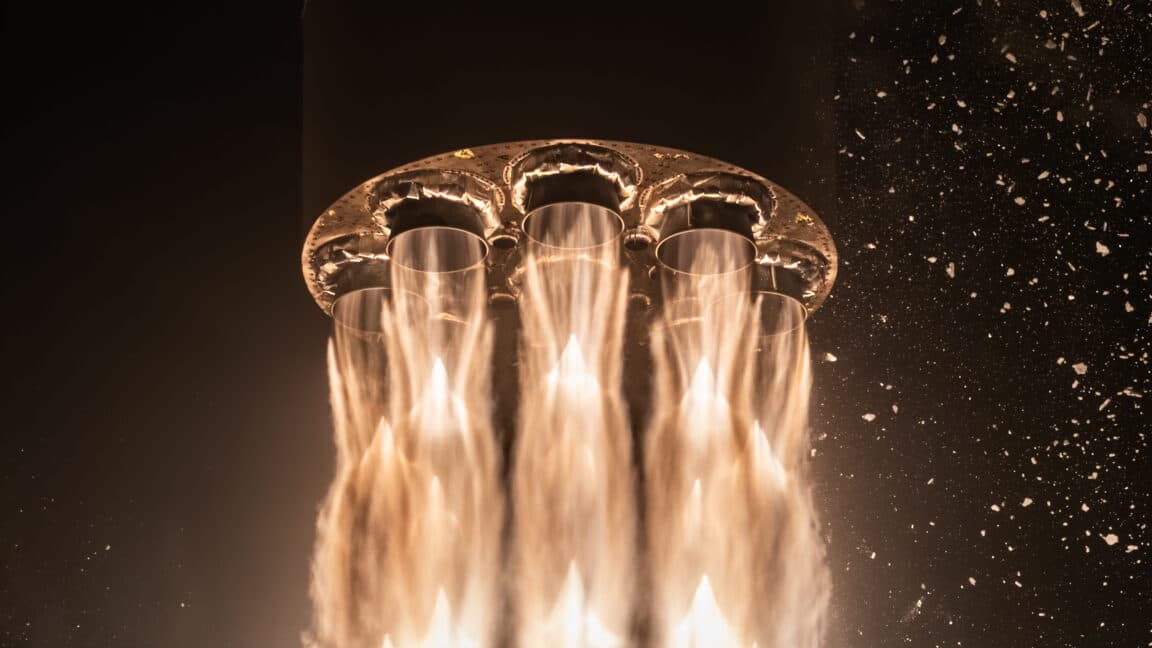
Aether Dynamics, a private aerospace firm, has announced a breakthrough with its new "DeepDrive Engine," an advanced ion propulsion system designed to dramatically reduce interplanetary transit times. This engine employs a novel plasma confinement technique, achieving a specific impulse significantly higher than previous generations of electric propulsion.
Initial projections indicate that the DeepDrive Engine could shorten the journey to Mars from the current 7-9 months to a mere 2-3 months. This reduction represents a profound shift, comparable to the leap from early chemical rockets to the highly efficient ion thrusters that powered missions like NASA's Dawn spacecraft, but scaled for far greater speed.
The first orbital test flight of the DeepDrive Engine is slated for Q3 2026. If successful, this technology would alleviate critical challenges associated with long-duration spaceflight, including cumulative radiation exposure for crews and the substantial mass requirements for life support systems and consumables.
Beyond the engineering metrics, the cultural implications are substantial. Shorter travel windows mean more frequent opportunities for interplanetary travel, potentially fostering more dynamic and diverse populations on Mars. It eases resupply logistics, making settlements more robust and less isolated. The very texture of Martian life, from family visits to trade routes, would become more fluid.
This technological leap moves Mars from an isolated, expeditionary outpost to a more accessible, almost 'commuter' destination. It suggests a future where the red planet is not merely a scientific objective, but a viable extension of human activity, where the notion of 'home' might span across planetary bodies with less sense of permanent severance.
Related Reading

Space Tech
The Soft Architecture of Orbital Living
New inflatable habitat modules prioritize psychological well-being alongside structural integrity, hinting at a future where off-world spaces are designed for comfort, not just survival.

Space Tech
Orbital Resilience: The Prospect of Long-Lived Space Debris
A recent speculative report from Futurism highlights the potential for new forms of orbital pollution, raising questions about the long-term sustainability of space operations and the future of off-world habitation.
Space Tech
The Enduring Niche: Why Smaller Launchers Persist in a Mega-Rocket Era
Despite the dominance of heavy-lift rockets, a segment of the satellite industry continues to seek out dedicated, flexible launch solutions, shaping the future of orbital access.