Space Tech|Issue 04
China's Shijian-31: A New Watch in Geostationary Orbit
A classified Chinese satellite, Shijian-31, has adopted a unique, sweeping orbit in the geostationary belt, altering the dynamics of orbital surveillance and space situational awareness.
- By
- ARTEMIS TOKYO Editors
- Dateline
- HELSINKI, July 22, 2026
- Date
- July 22, 2026
- Time
- 4 min read
Source
SpaceNews
The geostationary belt, a critical orbital highway for communication and Earth observation satellites, is witnessing a new kind of presence. China has deployed a classified satellite, Shijian-31, which is now operating with a distinct and unconventional trajectory, reshaping the parameters of space surveillance.
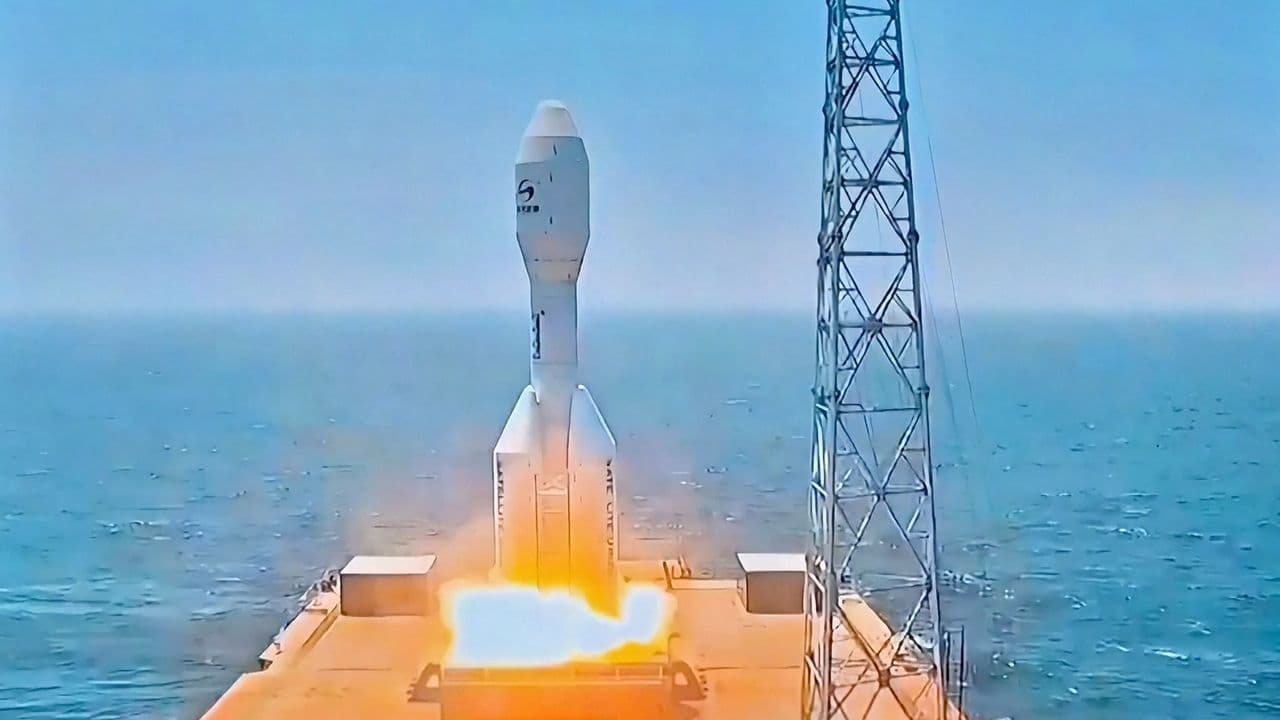
Launched in June, the Shijian-31 mission was quickly noted for its departure from typical geostationary operations. Instead of maintaining a fixed position relative to the Earth's surface, a characteristic of most satellites in this coveted orbit, Shijian-31 executes a broader, dynamic sweep across the belt.
This orbital maneuverability grants the satellite an expansive field of view, allowing it to monitor a significant portion of the geostationary arc. Such a capability extends beyond passive observation, offering a more active form of space situational awareness or potentially, targeted surveillance.
The original report noted the satellite is "operating in a creative orbit, giving it a unique vantage point over the geostationary belt."
While the specific objectives of Shijian-31 remain undisclosed due to its classified nature, its operational profile suggests a strategic intent to enhance China's monitoring capabilities within this vital orbital domain. This development adds a layer of complexity to an already congested and strategically important region of space.
For those envisioning a future where human activity extends permanently into orbit, the implications are tangible. The presence of such a dynamic surveillance asset means that future orbital habitats, manufacturing hubs, and transit points will operate within an increasingly observed and managed environment. The silent, persistent sweep of such a satellite will become part of the new overhead reality, influencing everything from space traffic management protocols to the design of off-world infrastructure that prioritizes both transparency and security.
Related Reading
Space Tech
Aura Habitat Module Redefines Lunar Living with Human-Centric Design
A new lunar habitat concept moves beyond mere survival, integrating psychological comfort and cultural adaptability into off-world architecture.

Space Tech
SpaceX Stock Hits Low Amidst Market Correction
The private space sector faces market realities as a leading firm's valuation shifts, signaling a maturing investment landscape beyond the initial speculative boom.

Space Tech
UK Space Policy Navigates Institutional Realignments
The sudden dissolution of the department overseeing the UK Space Agency signals a recalibration of national priorities amidst global space competition, raising questions about long-term stability.